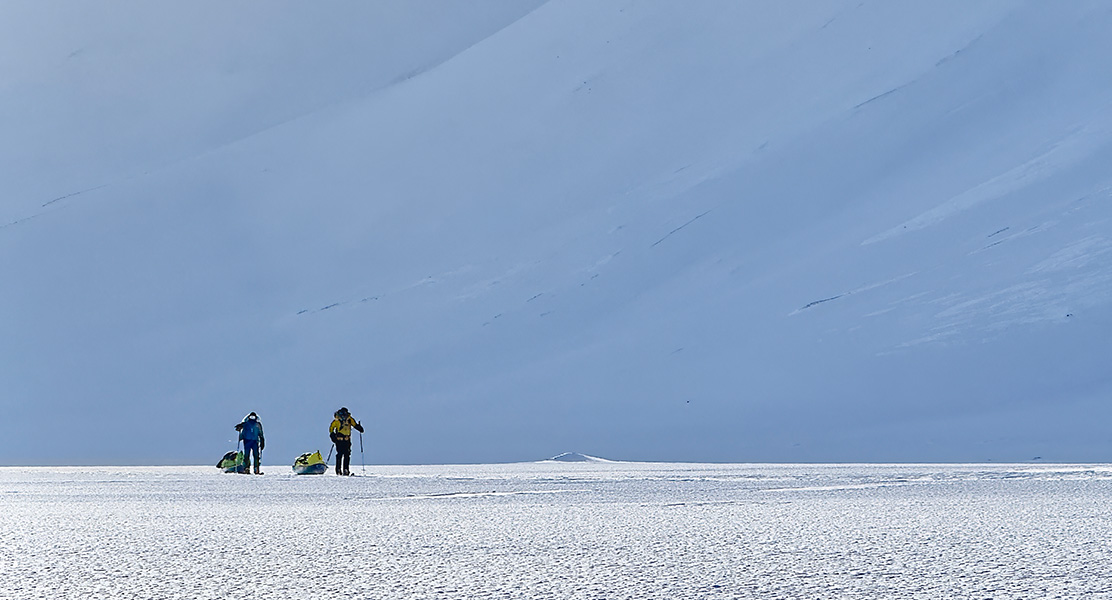
The Crossing

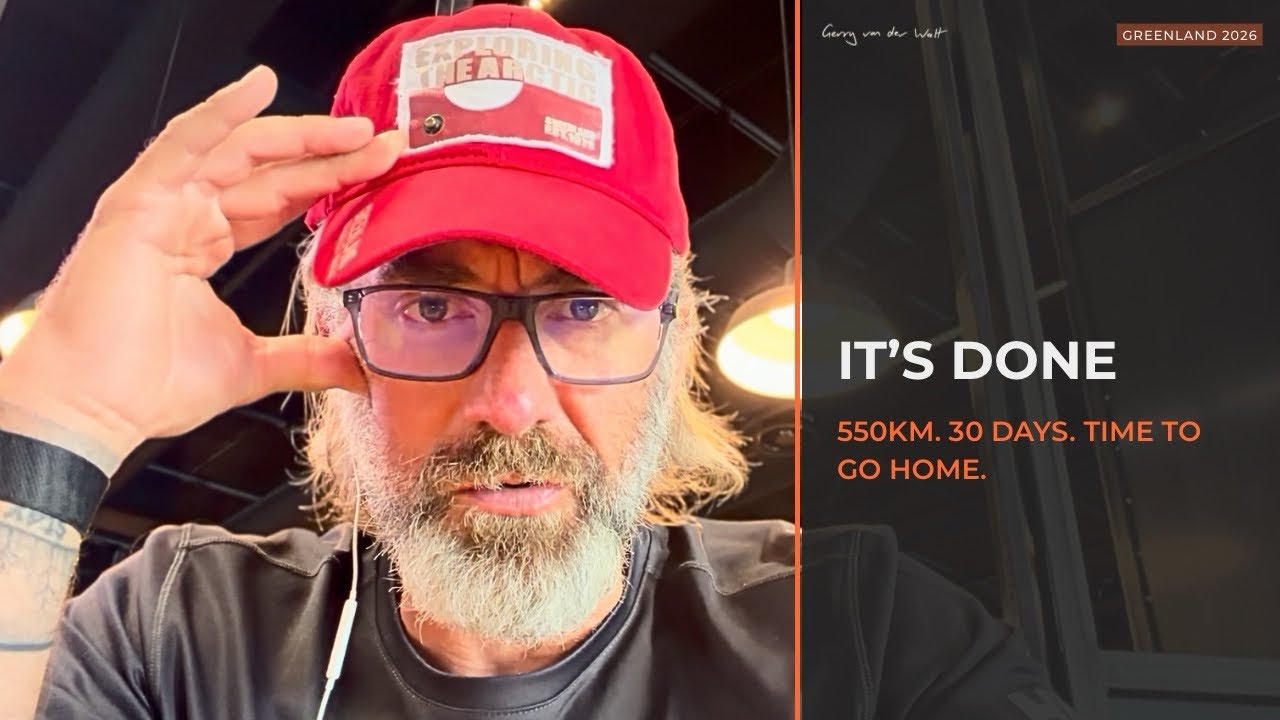
Greenland. 553km. 29 Days. Done.

In May 2026, I completed an unsupported crossing of the Greenland Ice Sheet. From Point 660 on the west coast to Isortoq on the east. 553km. 29 days on the ice. A 100kg sled. 9.6kg of body weight lost. Sub-zero temperatures, whiteout conditions, and long stretches of deep, heavy snow. One of fewer than 5 South Africans to have ever completed this. This page is the full story: the data, the updates from the field, and what the ice actually taught me.

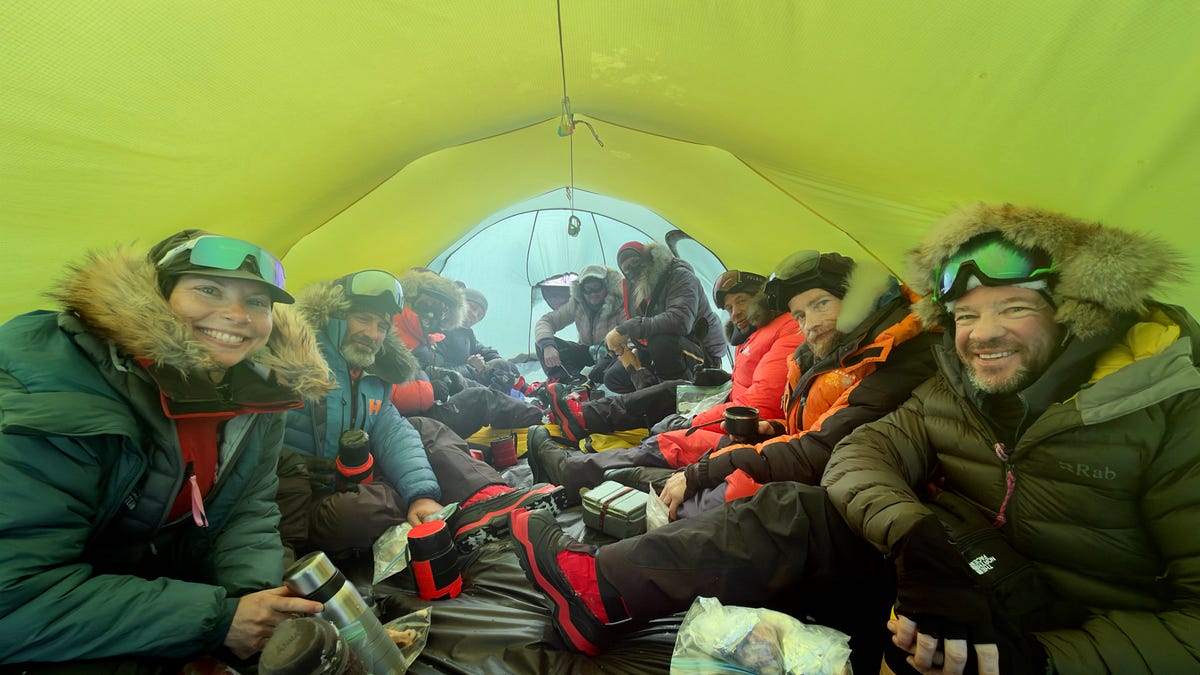
This was an unsupported team crossing. Steven, Mardi, Gal, David, Kanch, Mika, Mike, Anna, Knut-Eric and I each signed up individually and completed our own journey. Nobody pulled anyone across. That's what unsupported means.
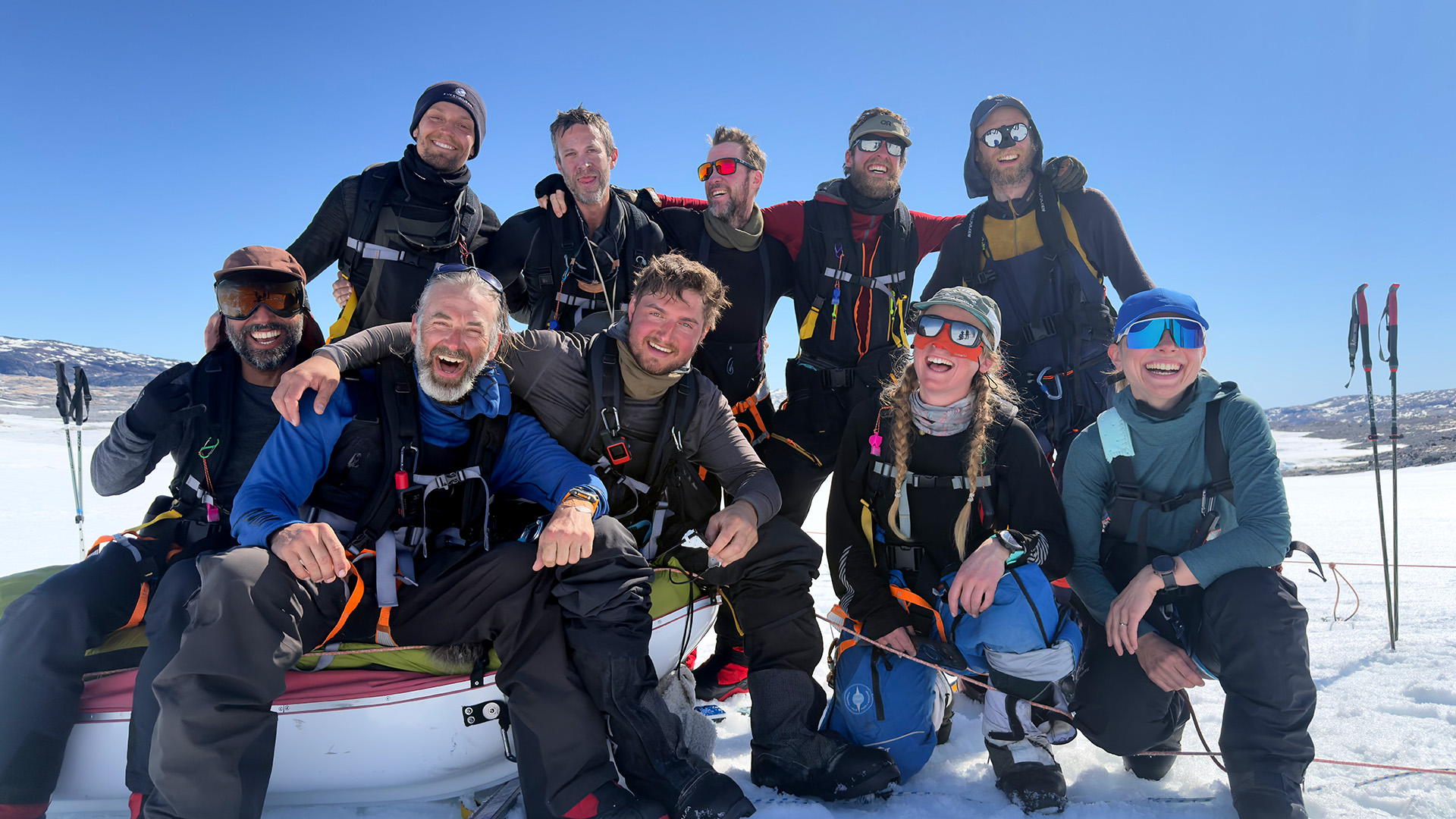
Greenland Ice Sheet
553 KM Distance crossed Kangerlussuaq to Isortoq. West to east.
29 DAYS On the ice No resupply. No support. No way out.
9.6 KG Body weight lost Mostly muscle. The ice takes what it wants.
2,501 M Highest point Summit plateau. Wind. White. Nothing else.
97,800 KCAL Activity calories Against an intake of ~5,500 a day. Every day.
49% Avg recovery score Operating at half capacity. Every day. For a month.

The road continues. See where it goes.

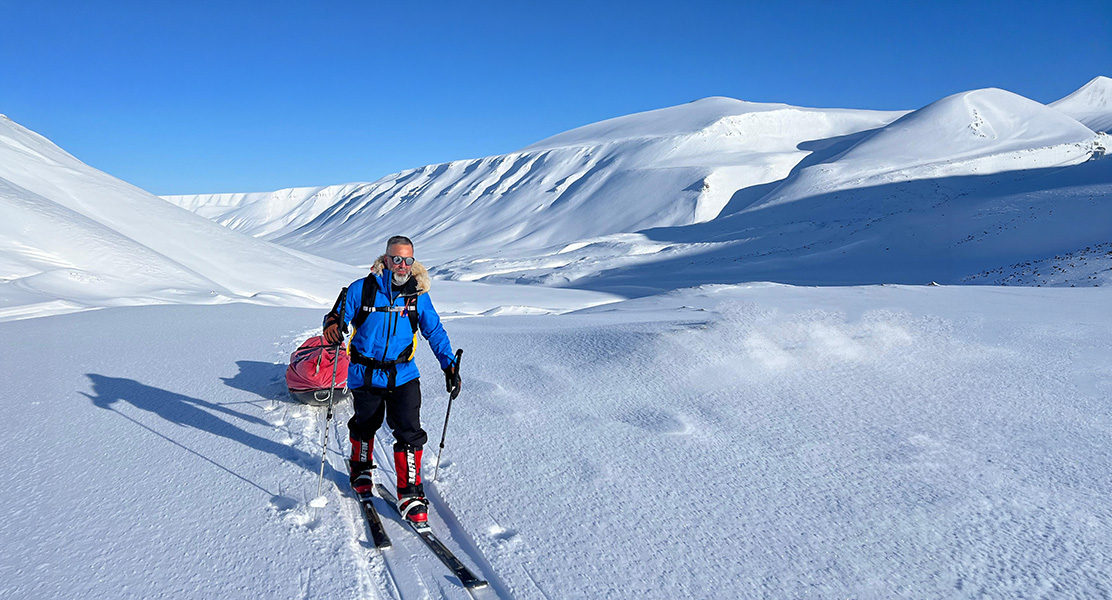
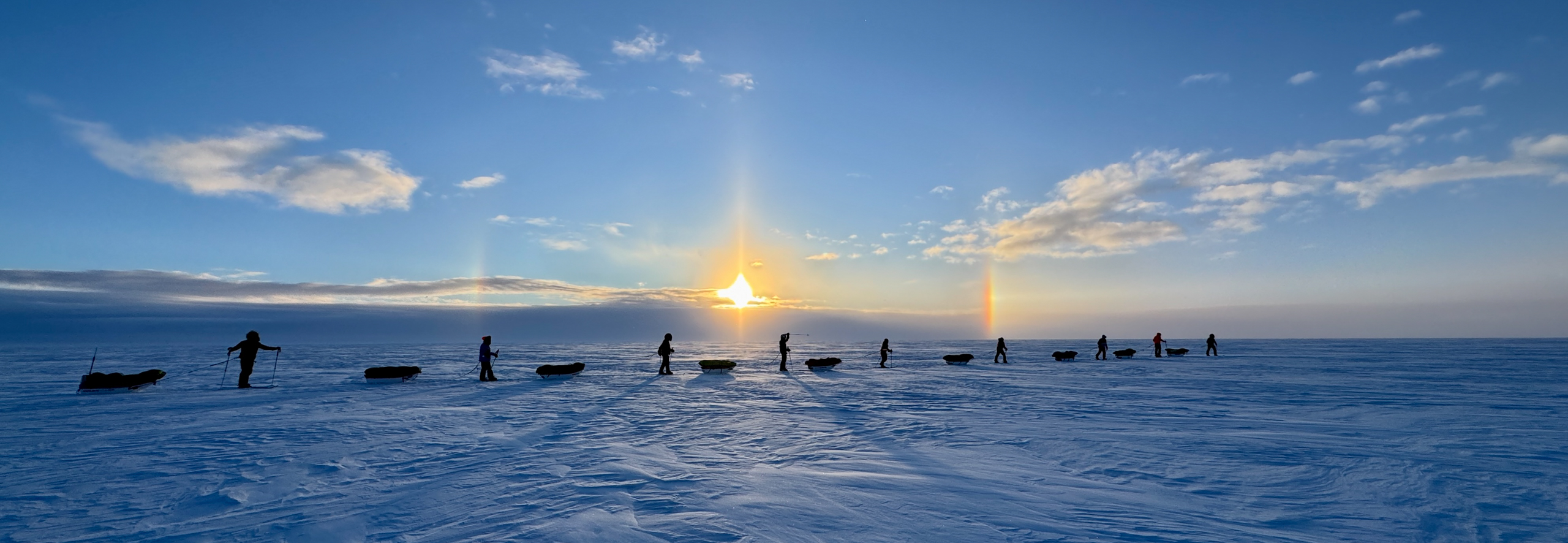
Gerry van der Walt hauling a sled across the ice, on the road to the South Pole

This crossing was real. The deadline was real. The commitment was real.

In a world of polished content and curated lives, I did something different. I lived the lessons I teach. In real time. Uncomfortable, terrified, and committed anyway. At fifty.

Every story, every failure, every doubt I moved through is teaching material now. Real. Lived. Not theory. It's the chapter that feeds everything else.

"Coming home felt like walking out of a silent room into a party nobody warned you about. The world just carried on. Something in me hadn't caught up yet."

Read the full reflection: The Door

29 Days. Captured.

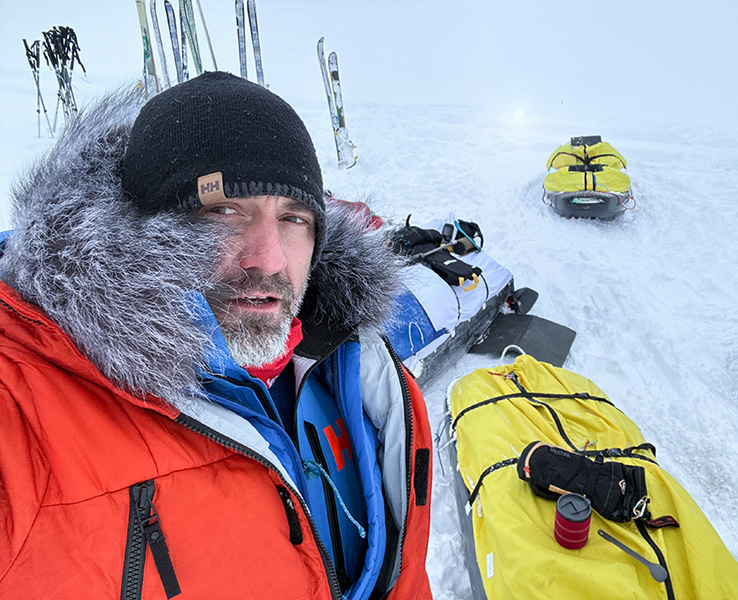
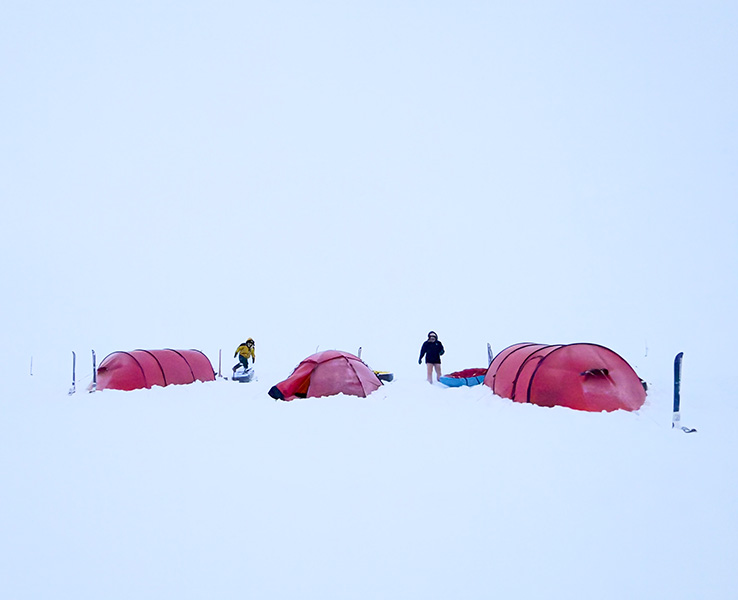
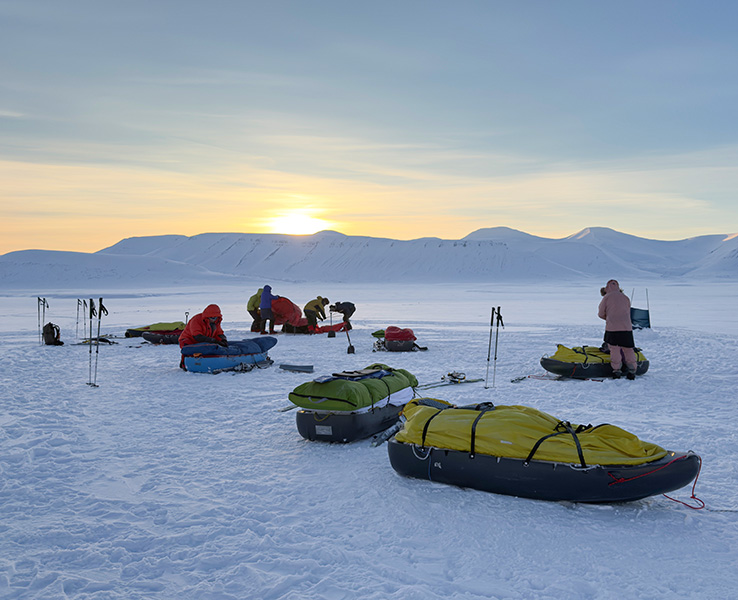
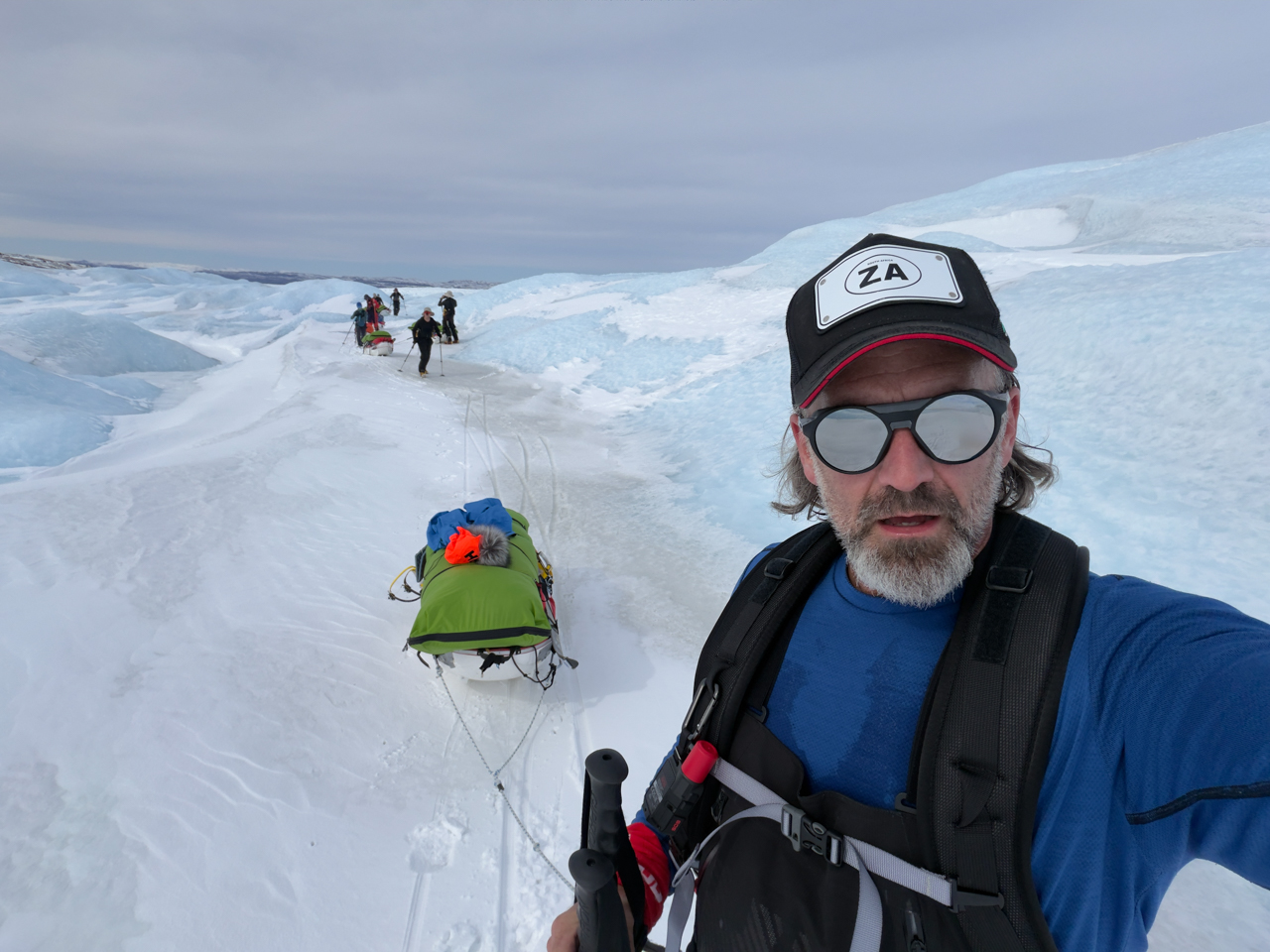
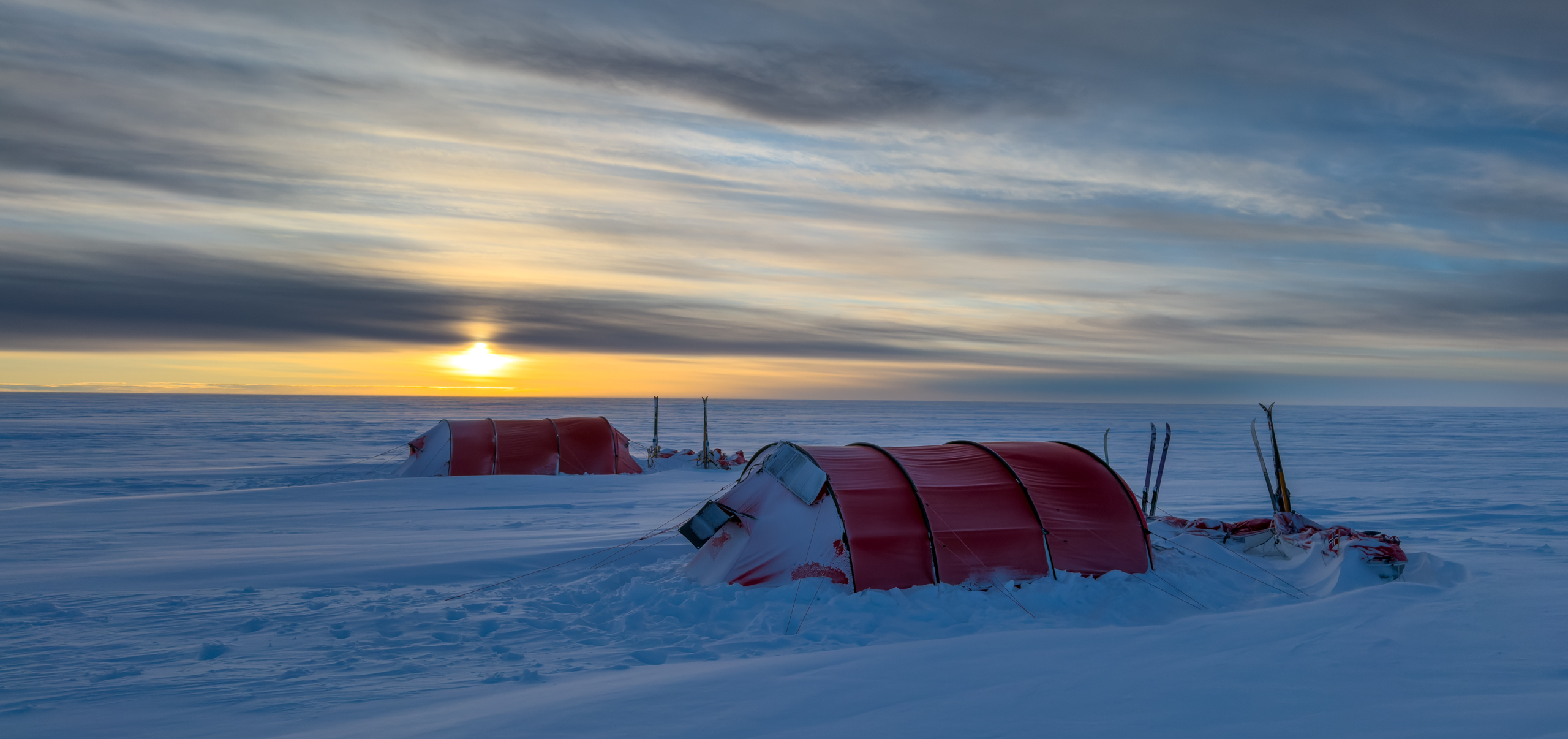
Photographs from the crossing. Photographed on iPhone.
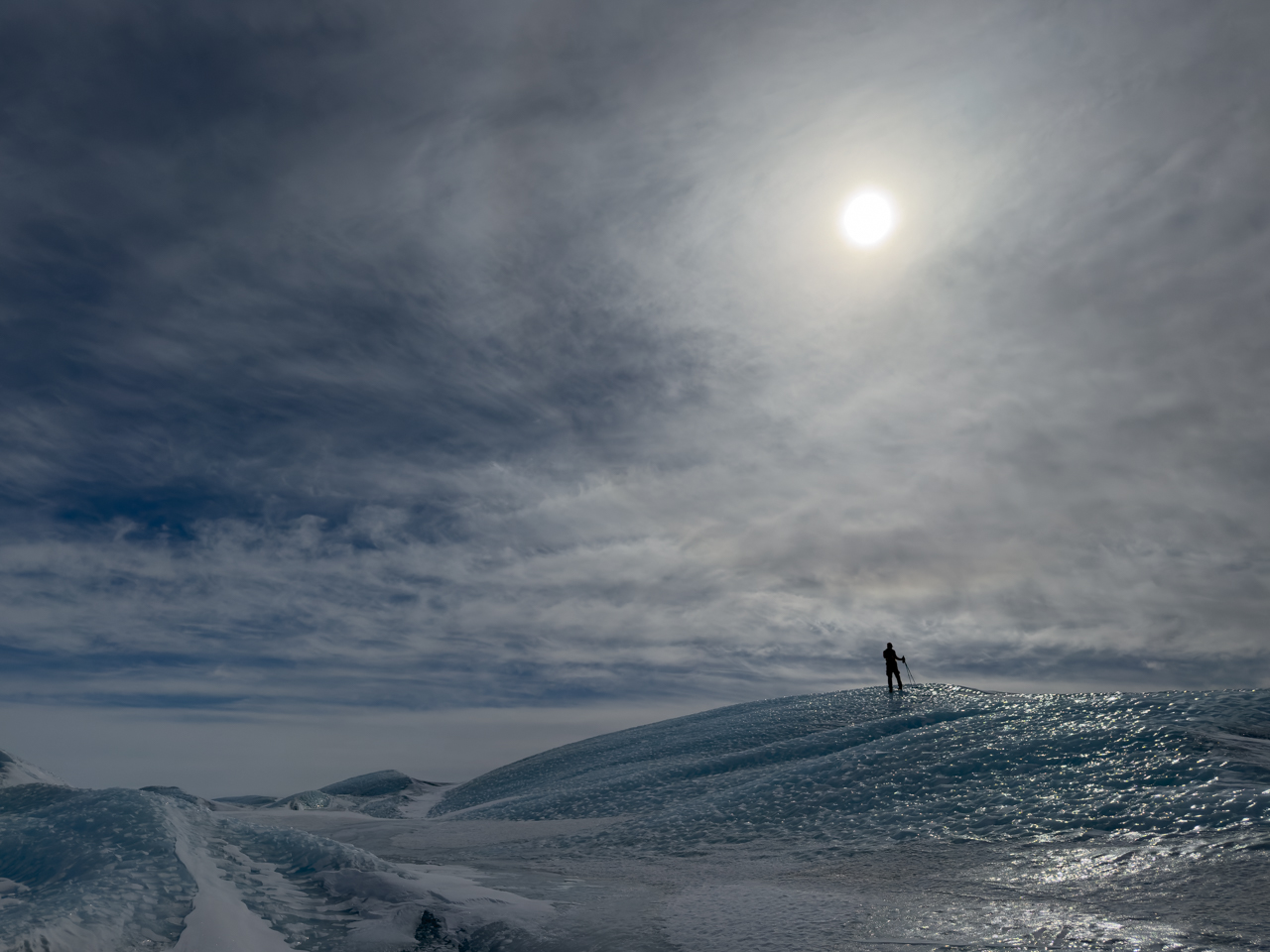
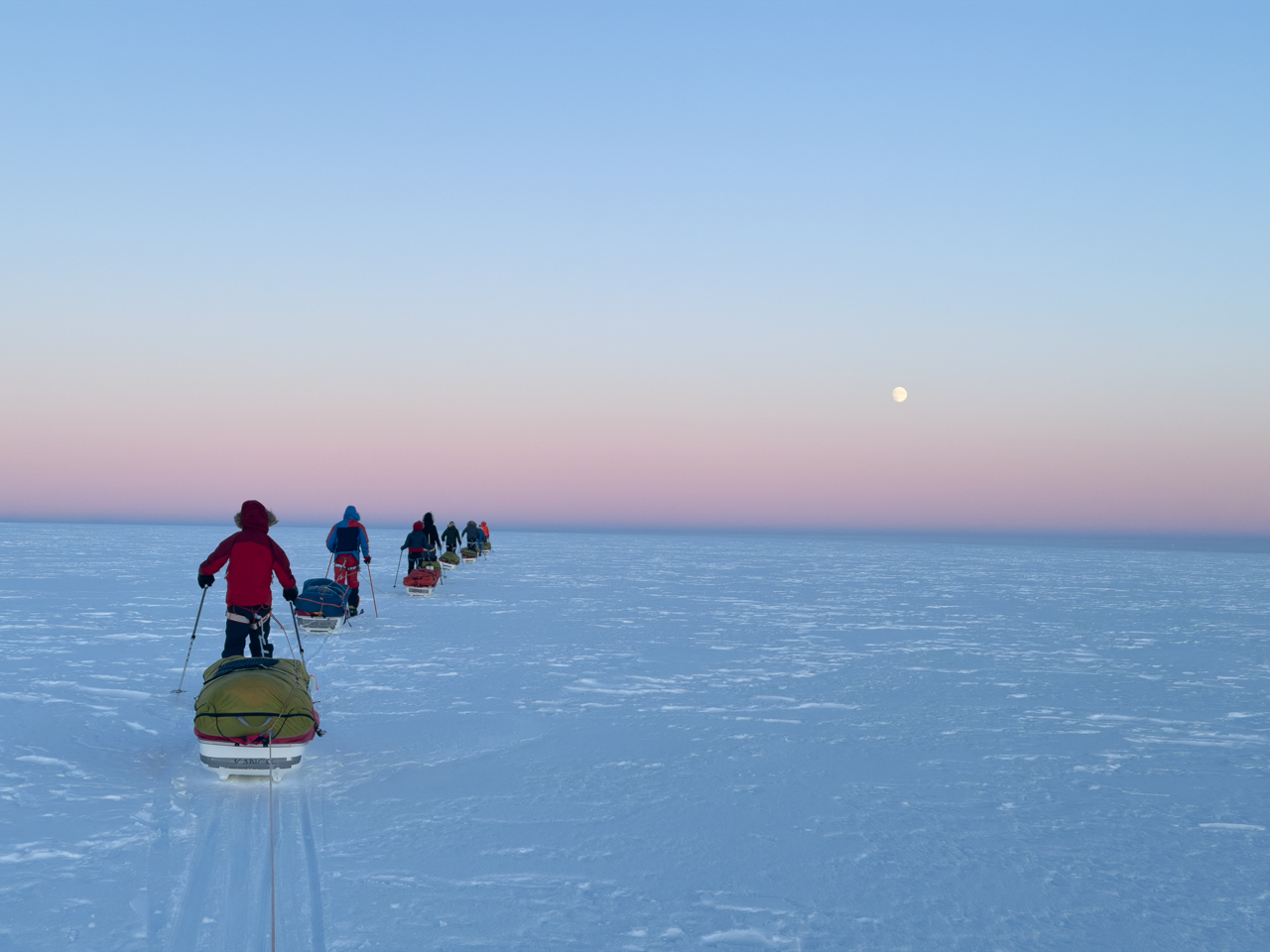
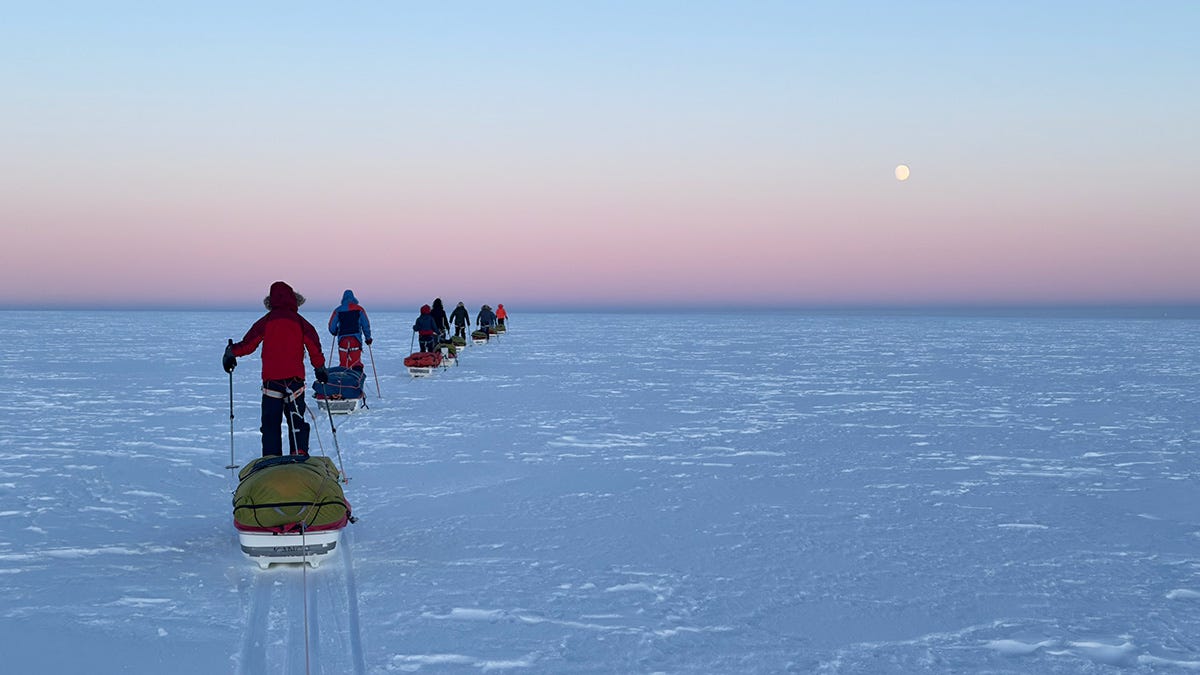
Lone figure on the ice under a moonlit sky
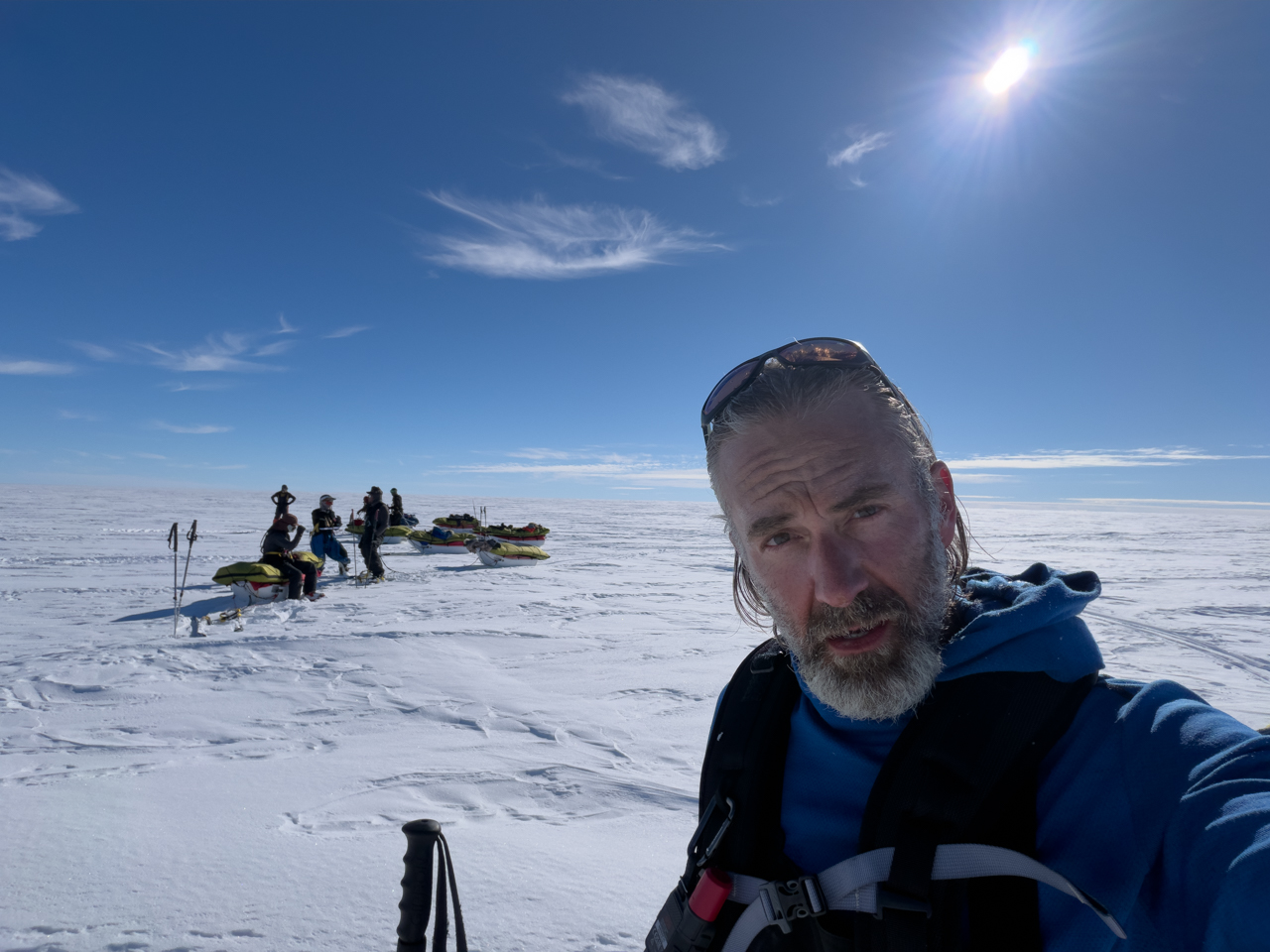
Selfie in a South Africa cap and sunglasses, sled behind
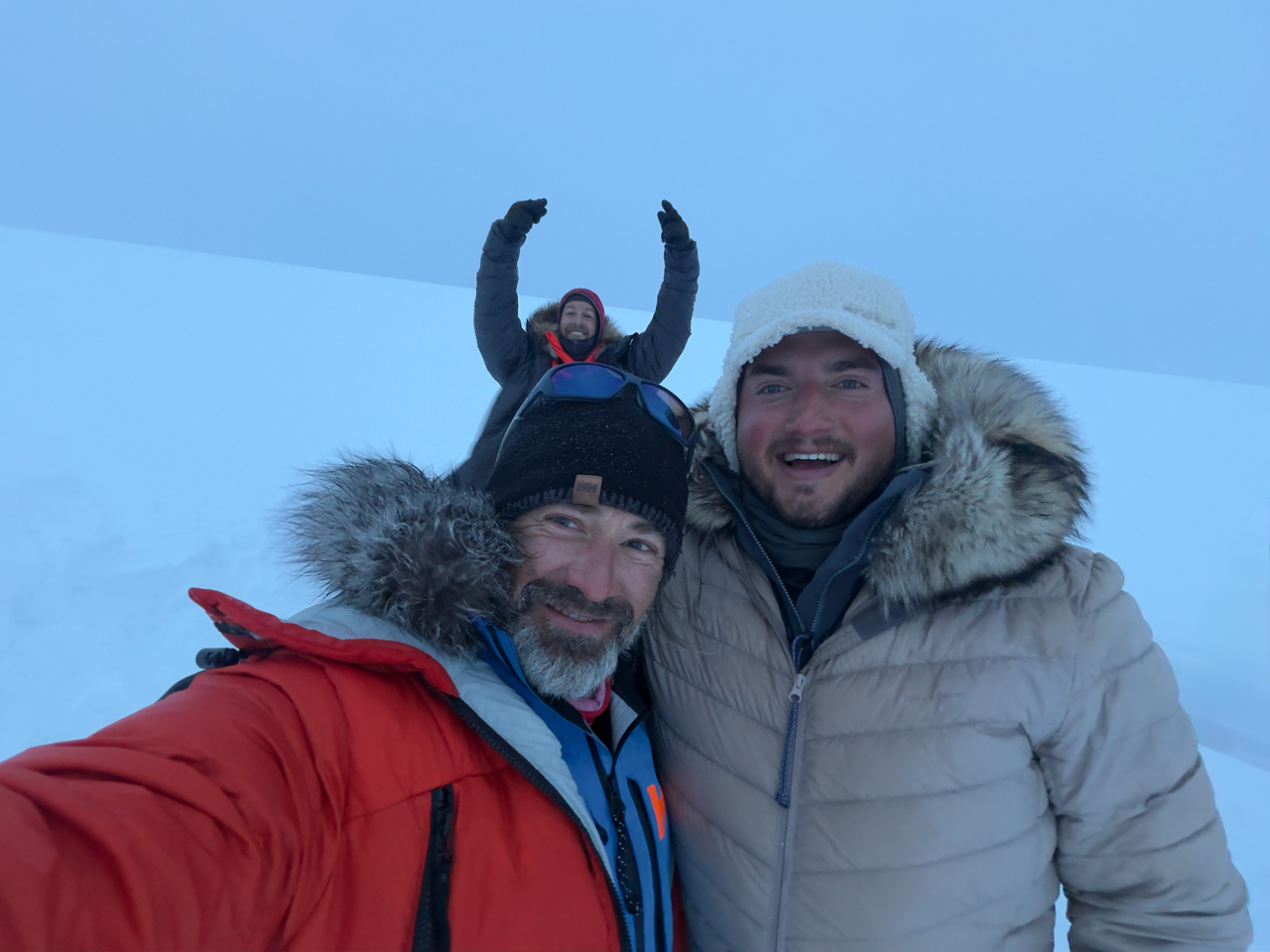
Selfie with teammates in fur-lined hoods on the ice
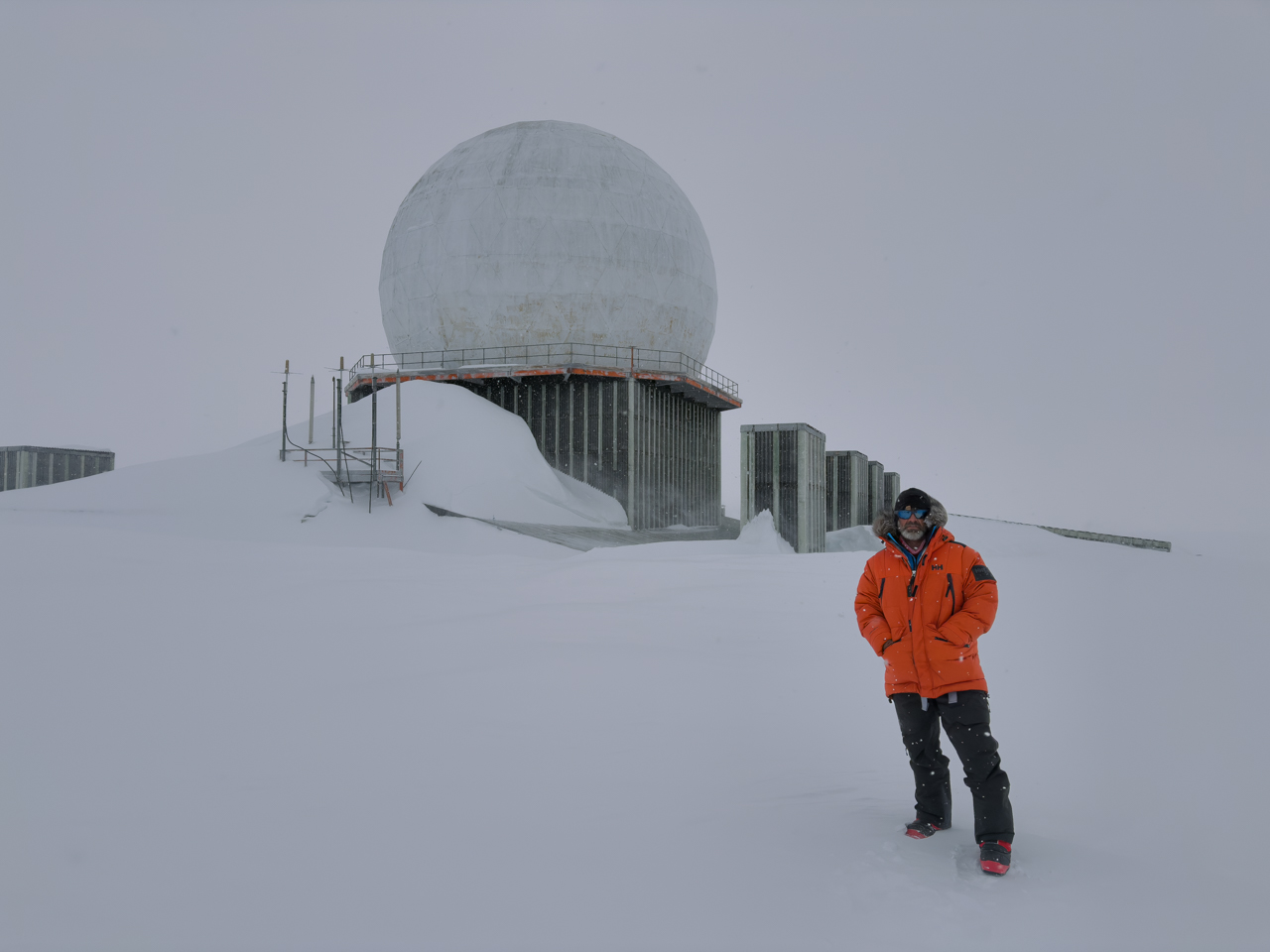
Skier in an orange jacket at the snowed-in DYE radar station
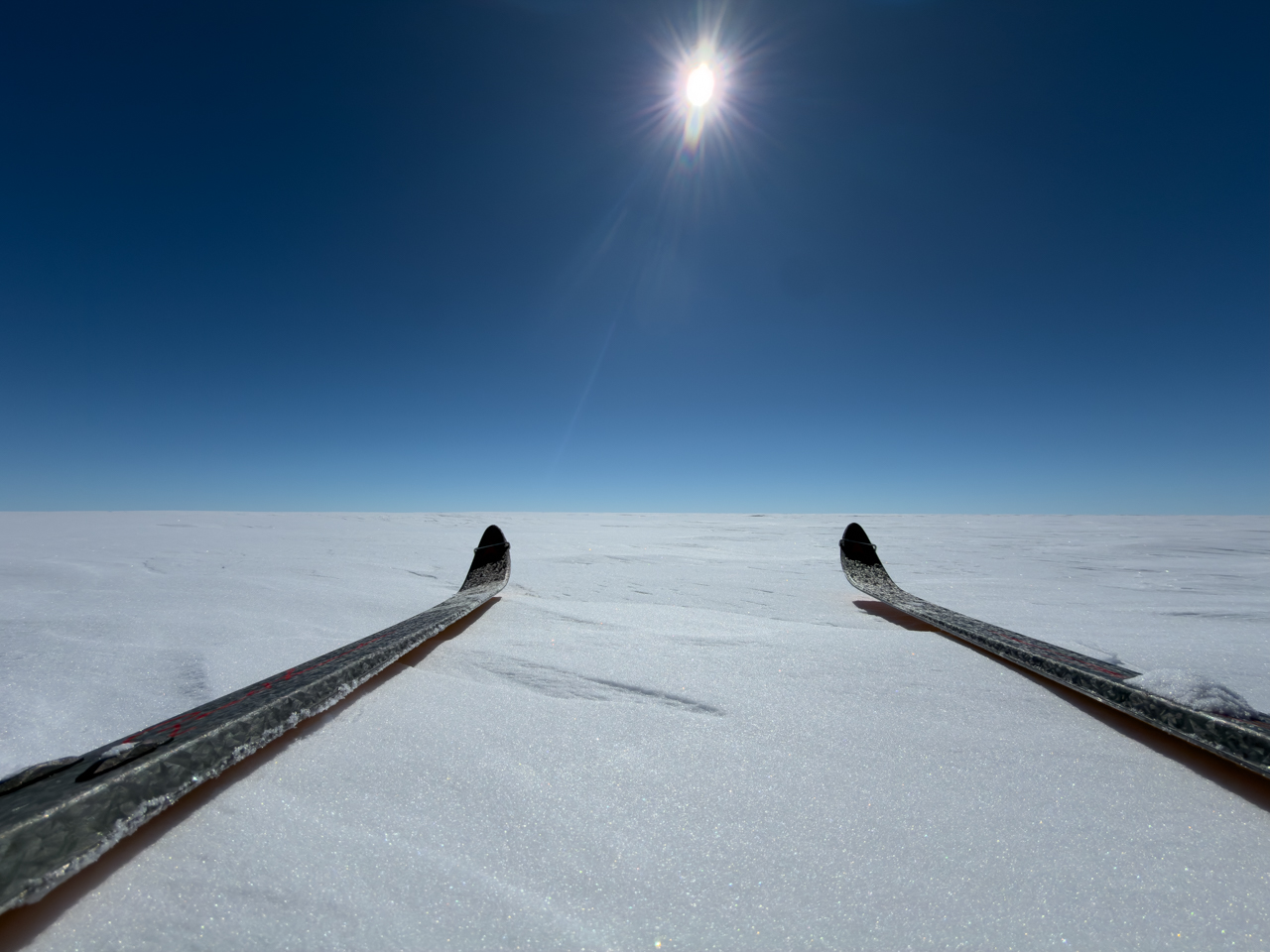
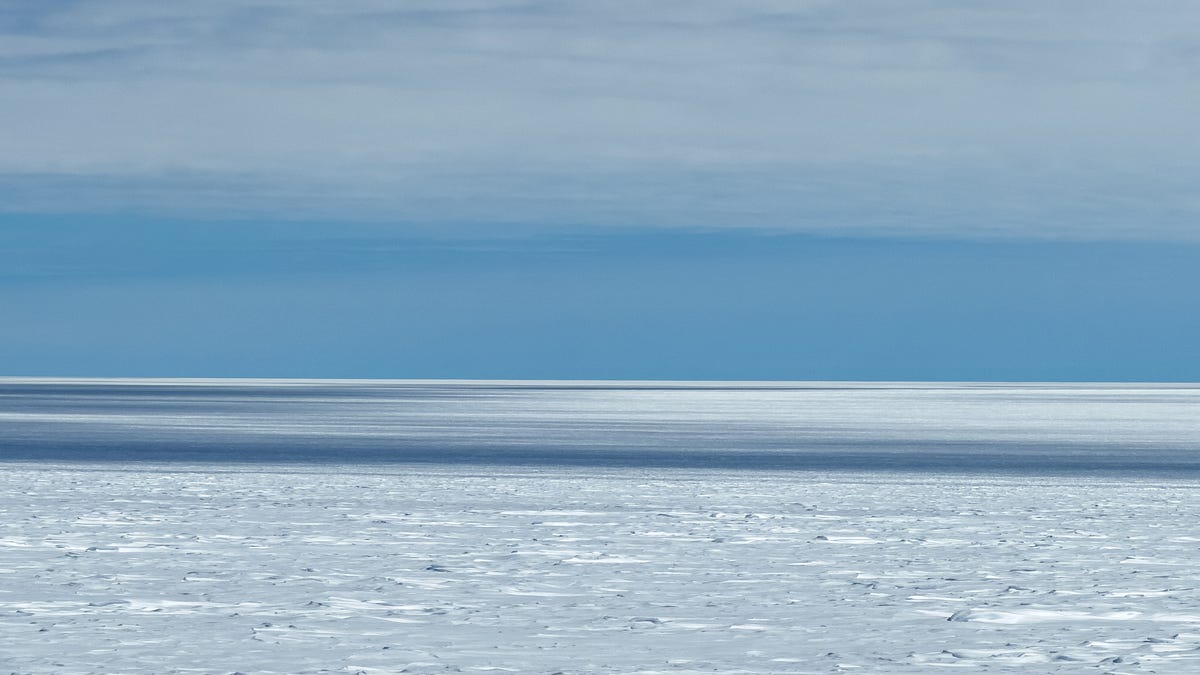
Ski tips pointing across the flat white of the ice sheet
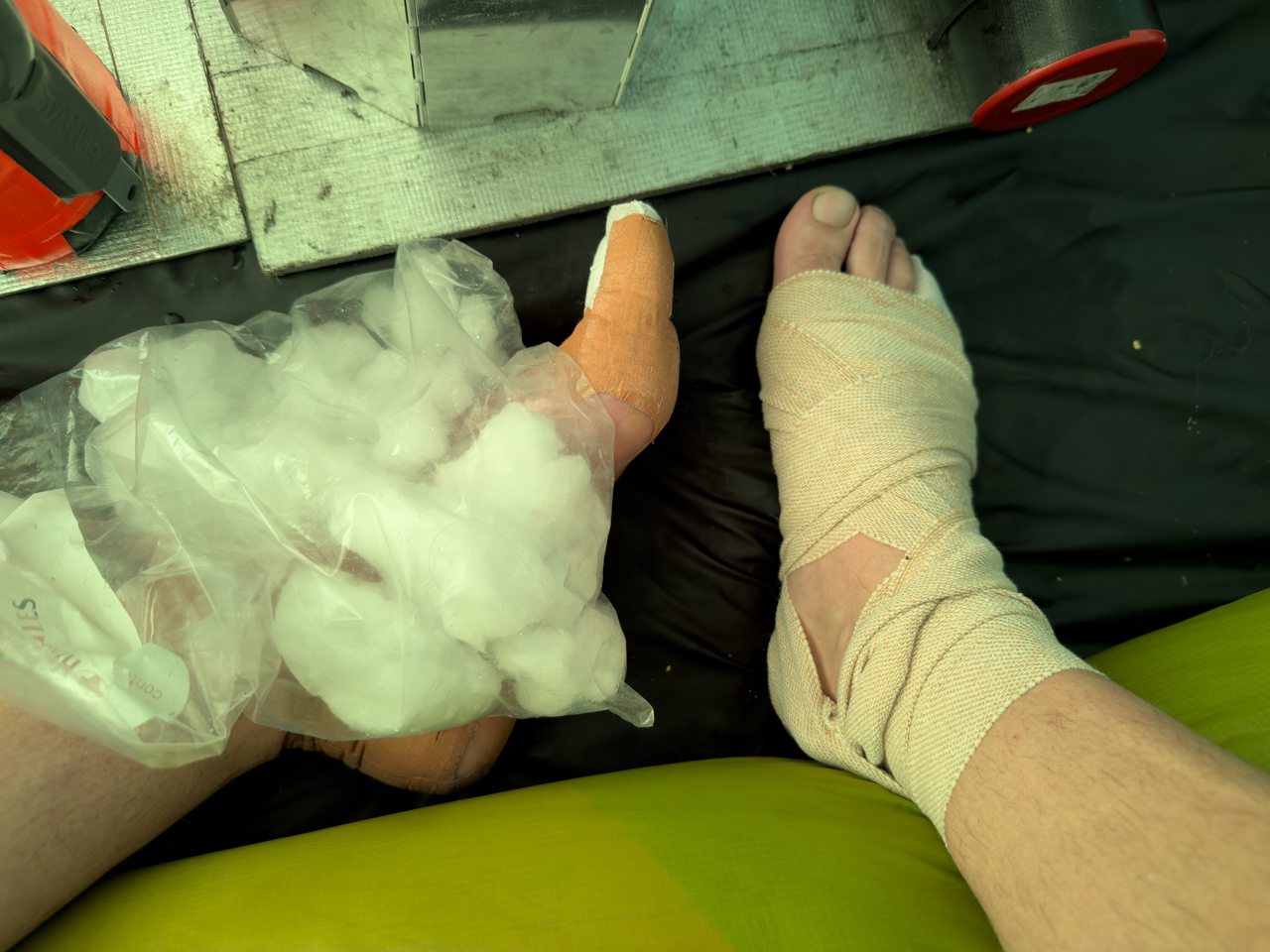
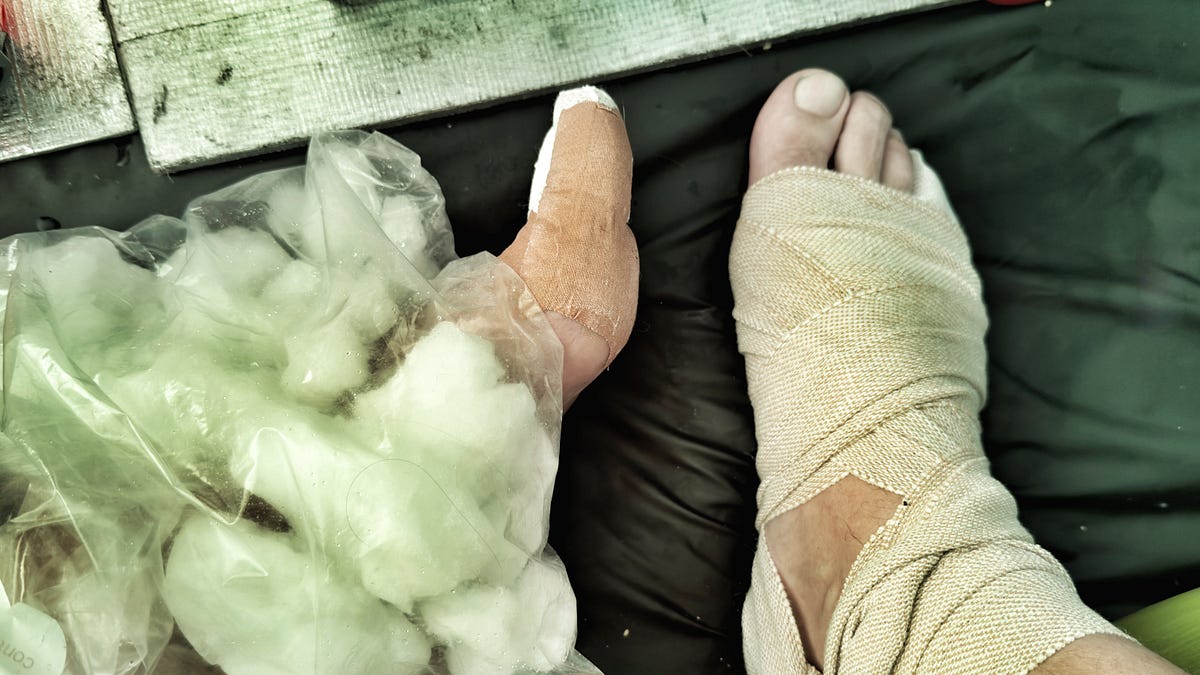
Bandaged feet inside the tent after weeks of hauling
On-the-ice selfie with sleds and the team behind
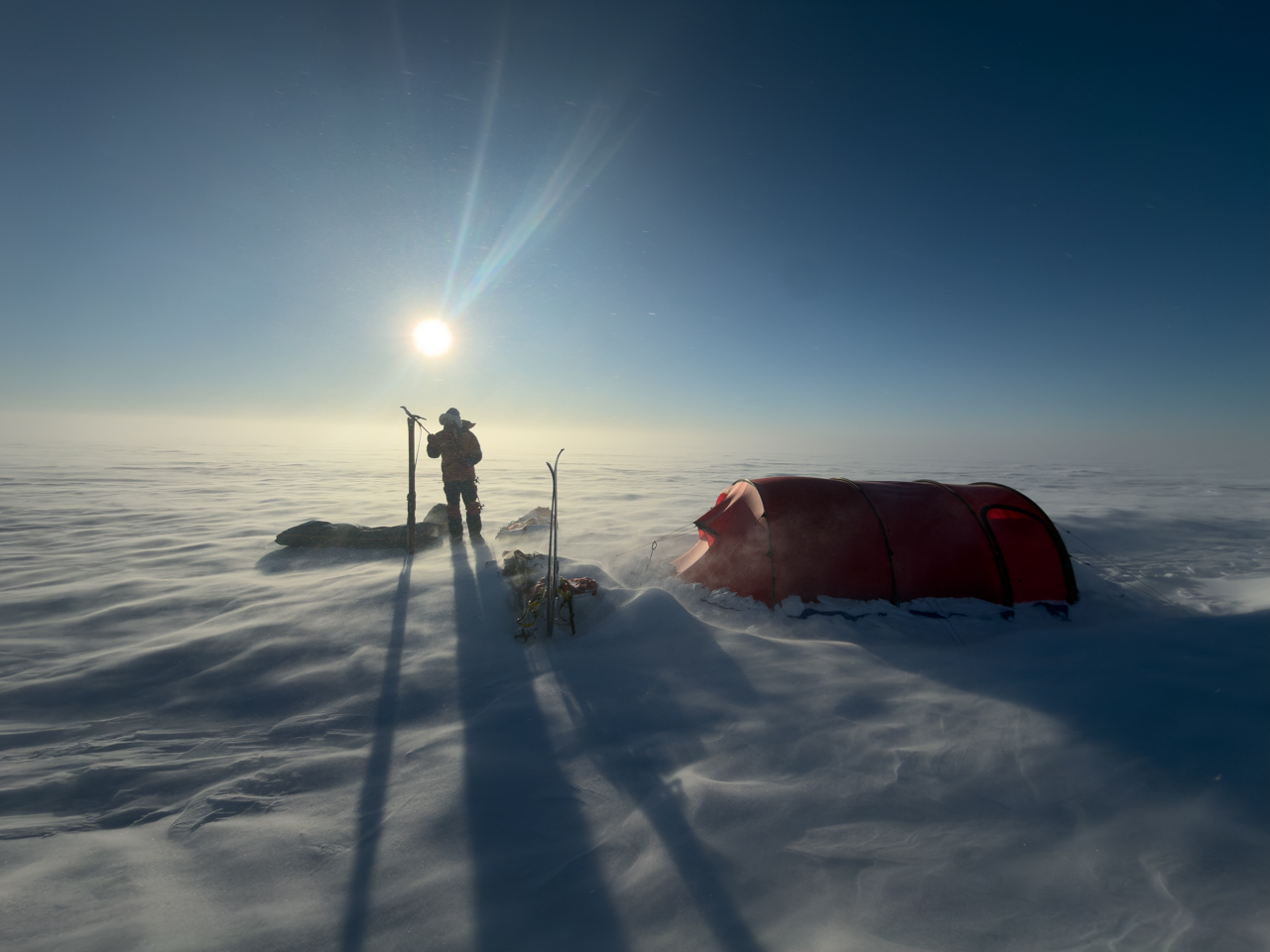
Lone figure and tent casting long shadows in low sun
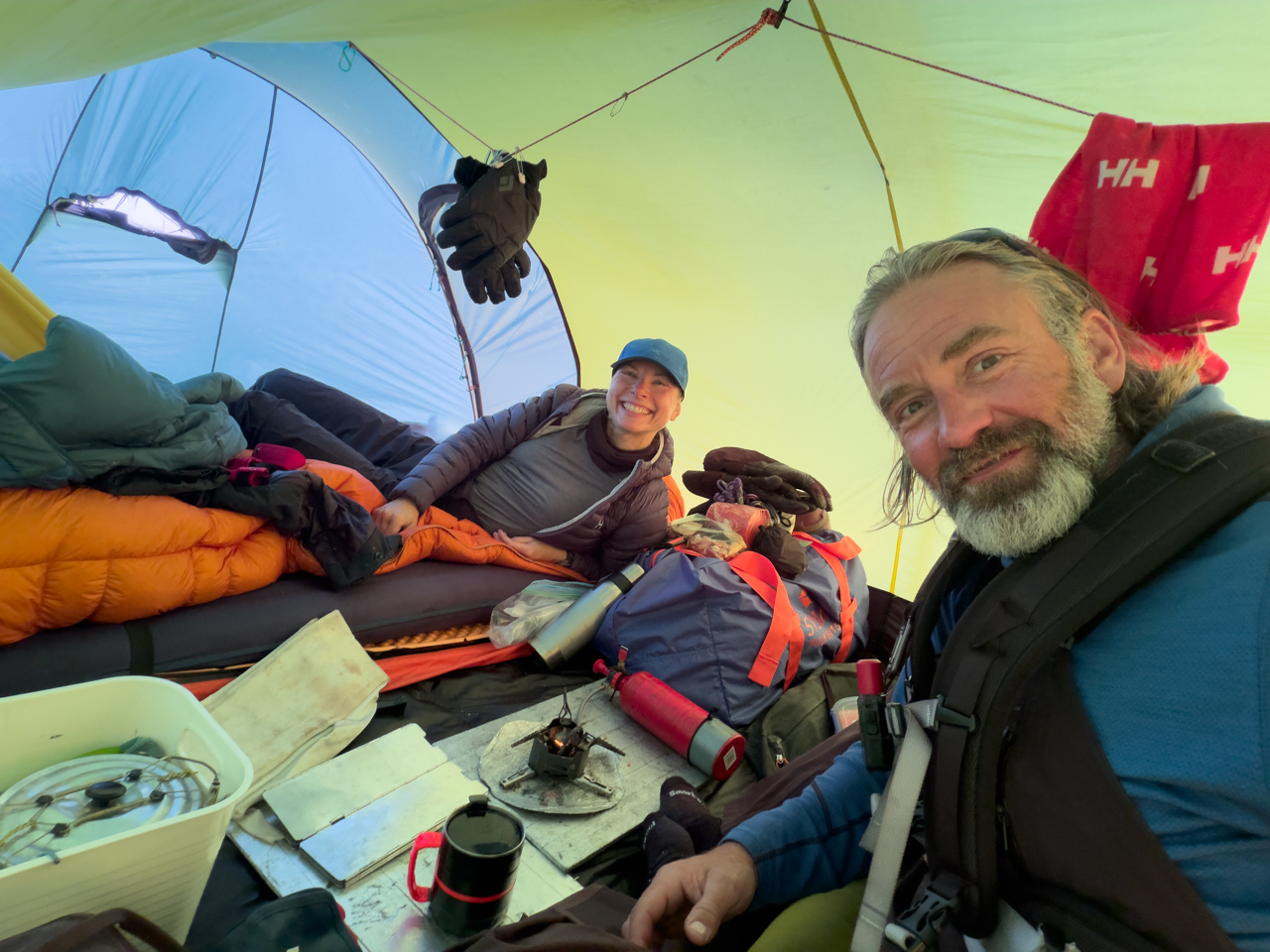
The team resting inside a tent between hauling days
The team hauling sleds into a pink dusk
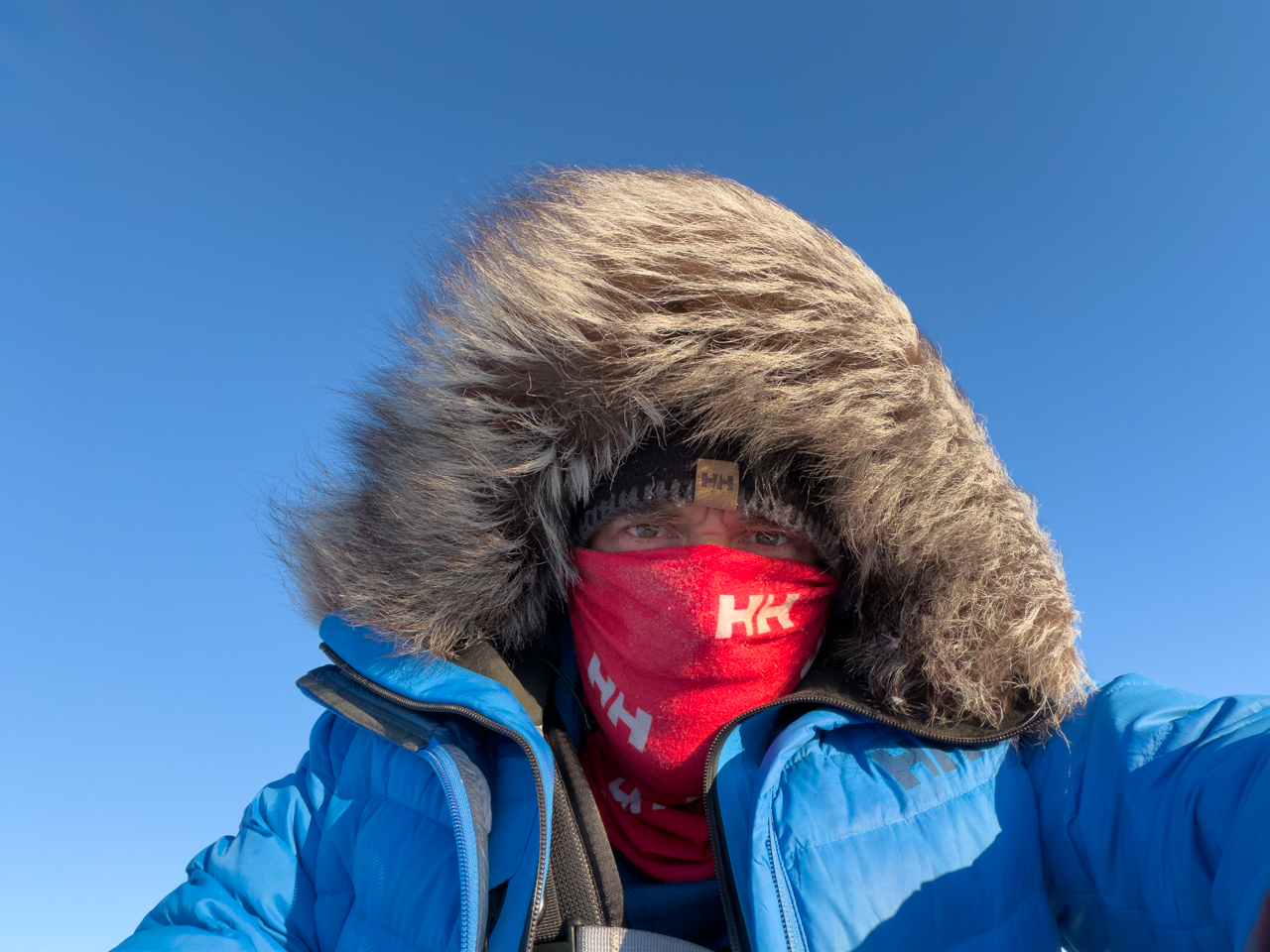
Fur-hooded portrait on the ice, face covered against the wind
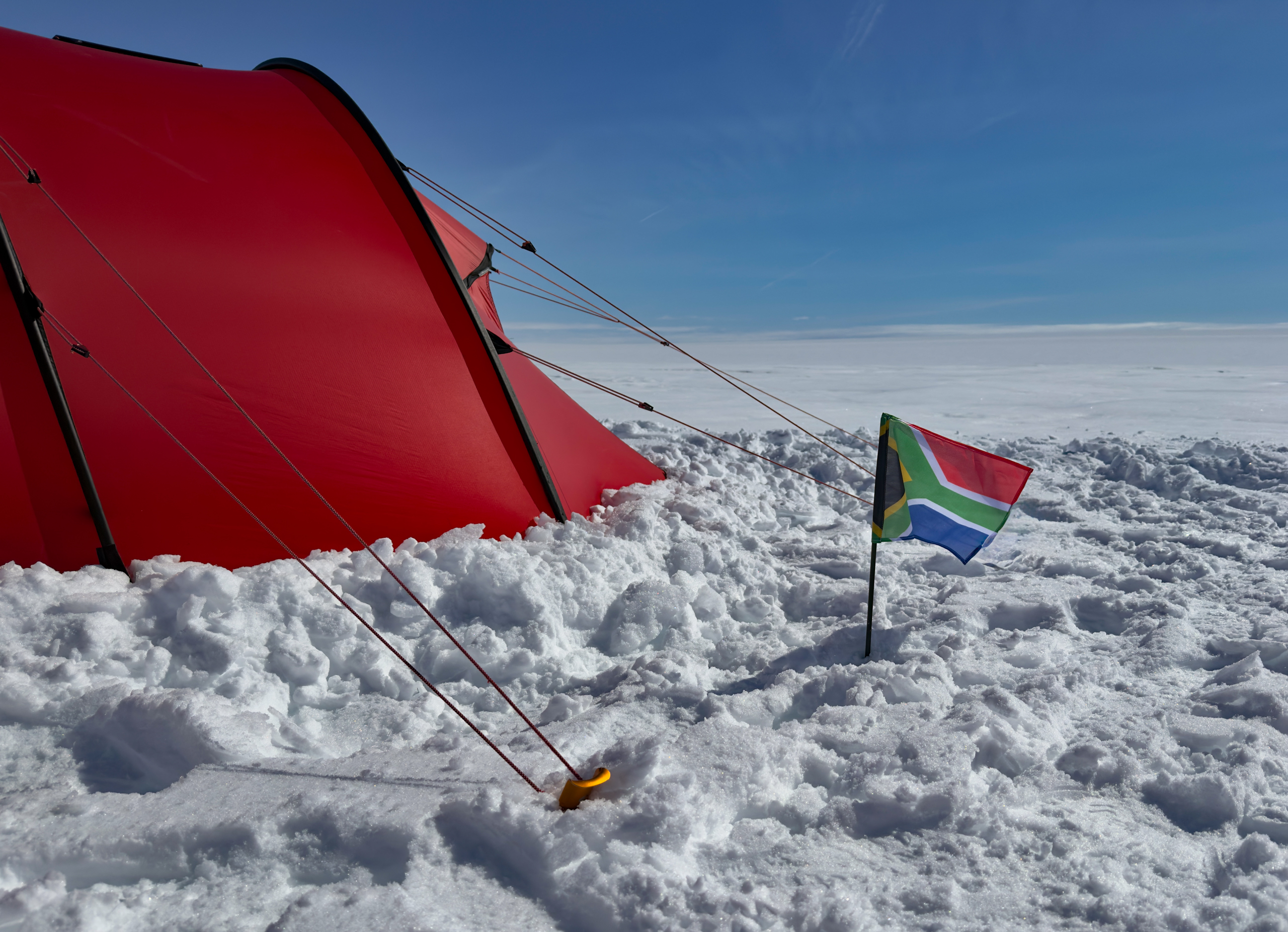
Red tent with the South African flag planted in the snow

The Map of My Crossing

Every camp. Every push day. Every kilometre. Tracked via Garmin inReach Mini 3 Plus.

29 Days of Data.

Every day on the ice tracked using a Whoop 5.0, Garmin Fenix 8, and inReach Mini 3 Plus. Distance, elevation, recovery score, HRV, resting heart rate, blood oxygen, skin temperature, calorie burn, sleep architecture, and cumulative sleep debt. The full picture of what the crossing cost. Including the day the foot gave out, what the post-expedition scans found, and what the body actually did under 29 days of sustained load.

Pre-expedition baseline vs expedition average
Pre Expedition
HRV
pre41.7ms
exp35.2ms
▼ 15.6%
Resting HR
pre64.4bpm
exp72.4bpm
▲ 12.4%
Recovery
pre59.3%
exp49.3%
▼ 16.9%
Sleep Score
pre83.1%
exp74.2%
▼ 10.7%
SpO2
pre94.8%
exp91.4%
▼ 3.6%
Resp Rate
pre17.9rpm
exp17.6rpm
▬ 1.7%
553km crossed
29days on ice
9.6kgbody weight lost
97,800activity kcal
49%avg recovery
2,897mins sleep debt
Route Profile
Daily distance + elevation
Distance (km)
Elevation (m)
Ascent phase days 1–19 averaged 17.3km/day. Descent phase days 20–29 averaged 26km/day. Same body, same sled. Adaptation, gradient, and a lighter load all working together.
Recovery Score
29 days · green ≥67 · yellow 34–66 · red ≤33
Average: 49.3%. Operating at half capacity for a month. The 1% on May 3 is the physiological floor. The 97% on May 2 is the storm tent day, the only true rest of the crossing.
May 3 · Day 3 · 825m
The System Shock
First full moving day. The body had banked 97% recovery from the storm rest, used every bit of it in one day, and crashed to the floor overnight. The nervous system registering something outside its reference library.
1%Recovery
17msHRV
79bpmRHR
42%Sleep
May 14 · Day 14 · 2,202m
The Day the Foot Went
The numbers show the worst physiological collapse of the crossing. SpO2 at 74.8%. Recovery at 13%. Average heart rate of 124bpm for 11 hours. What the numbers don't show is why.

The foot gave out during the day. Pain accumulated across the skiing hours and by camp that evening weight-bearing was no longer possible. Acute injury on top of altitude, two weeks of caloric deficit, and a body already running on reserves. The data recorded the cost. The reason was a foot that had finally had enough.

The next morning the tent came down and the skiing started again.
13%Recovery
74.8%SpO2
124bpmAvg HR
5,324Cal
May 27 · Day 27 · 1,447m
End of the Reserve
Deep sleep 41 minutes. Zero REM. Skin temp dropped to 31.1°C, nearly 4 degrees below normal, the body pulling blood to its core. Two days later: 32.2km, the biggest day of the crossing.
9%Recovery
41minDeep sleep
0minREM
31.1°CSkin temp
Post-expedition medical diagnosis
What Was Actually Happening to the Foot
The common plantar digital nerve runs between the third and fourth metatarsal heads, at the ball of the foot between those two toes. That nerve is wrapped in a protective sheath called the perineurium. After 29 days in ski boots hauling a loaded sled, that sheath became seriously inflamed on both feet.

The perineurium swelled to 6x normal size on the left foot and 4.5x on the right. That sheath sits in a tight space between the metatarsal heads with nowhere to go. All that swelling compressed directly onto the nerve underneath. Constant pressure. Constant pain. Every single step for the last two weeks of the crossing.

No Morton's neuroma. No fibrous mass formed. Just the sheath, massively inflamed, crushing the nerve from outside. By camp on May 14 weight-bearing on the left foot was no longer possible. The next morning the skiing started again anyway.
6xLeft foot sheath swelling
4.5xRight foot sheath swelling
14 daysSkiing on the injury
553kmTotal distance completed
Treatment plan: anti-inflammatories, cortisone and steroid injections targeting the sheath directly, with cryotherapy or radiofrequency ablation if needed. Surgery remains on the table if injections don't hold.
HRV and Resting Heart Rate
The adaptation arc
HRV (ms)
RHR (bpm)
Pre-expedition HRV baseline: 41.7ms. Expedition low: 17ms on day 3. Expedition high: 63ms on day 26. The arc from 17 to 63 is the body learning how to survive this. Not recovering. Adapting.
Blood Oxygen (SpO2)
Normal range 95–100% · Below 90% = hypoxic
74.8%
May 14. The crash day. Normal SpO2 is 95–100%. Below 90% is classified as hypoxic. Below 80% is a medical emergency in most clinical contexts. On May 14, blood oxygen dropped to 74.8% overnight. After a day of skiing 26.6km at an average heart rate of 124bpm at 2,202m elevation. Four separate days recorded readings below 90%. All while continuing to move.
Grey dashed line at 95% = normal lower threshold. Red dashed line at 90% = hypoxic threshold. Days with no data shown as gaps. Sensor contact issues in extreme cold are common.
Calorie Burn and Cardiac Load
Garmin activity data · days with recorded sessions only
Activity calories
Avg HR (bpm)
Total recorded activity calories: 97,800. Add basal metabolic rate (~2,000/day) and cold thermogenesis and real daily expenditure on hard days was likely 7,000–9,000 calories. Against an intake of 3,000–4,500. Every day.
Heart Rate Zone Distribution
Whoop workout data · weighted by session duration
Zone 1 (easy)
Zone 2
Zone 3
Zone 4
Zone 5 (max)
May 11–13 show the highest zone 4–5 percentages of the crossing, up to 27% of the day in zone 4. After the May 14 crash the body self-regulated downward, spending more time in zone 1 on subsequent days. Physiological protection mode.
Sleep Architecture
Deep (SWS) + REM + light sleep · minutes per night
Deep (SWS)
REM
Light
May 27: deep sleep collapsed to 41 minutes with zero REM. The complete failure of restorative sleep architecture two days before the finish. The body running on something that doesn't show up in the data.
Cumulative Sleep Debt
Running total of unrecovered sleep · minutes
2,897 minutes of accumulated sleep debt by the end of the crossing. That is 48 hours. Two full nights of sleep owed to the body. It hit the 127-minute daily ceiling from day 8 and stayed there. The debt never stopped growing.
Skin Temperature
°C · baseline avg 33.07°C pre-expedition
May 27 skin temp dropped to 31.1°C, nearly 4 degrees below the pre-expedition baseline of 33.07°C and nearly 4 degrees below the expedition average. Peripheral vasoconstriction: the body pulling blood away from the skin to protect core temperature and vital organs.
Complete Data
All 29 days · all metrics
DayDateDistElevRecoveryHRVRHRSpO2Skin °CAvg HRCalSleep %DeepREMSleep Debt

Brands That Supported the Crossing.

Helly Hansen Wedgewood OM System Joburg Style
Greenland Ice Cap Crossing 2026

Some of you believed in this before there was anything to show. Before the crossing was real. When it was still just an idea on the wrong side of a lot of fear.

Friends. Family. Clients. People I have never met who chose to back it anyway. You donated, you shared, you sent a message, or you just believed when believing was the only thing there was to do.

I carried you out there. On the hard days, and there were a lot of them, knowing people were behind this is part of what kept me moving.

You were never funding an expedition. You were part of it.

Thank you. For the belief. For the support. For being part of the first chapter.

"Gerry, I saw you speak years ago at a Samy's Camera event in LA when I was just getting started on my photography journey. I have followed you ever since. As much as I value your perspective on wildlife photography, travel, exploration, I have learned much more from your perspective on life. Every single thing you've written from a coaching perspective resonates with me. You have a gift. Godspeed."

Craig Elson

"You are an inspiration, you helped get me out of some seriously shitty days. You helped me have confidence in myself to chase windmills. You got this! I back you 100%"

Morag Saunders

"Happy BDay Gerry. As you said to me as I turned 60: You Got This. Thank you for your content, support and past coaching. It has helped me immensely."

Grace Preston

"You have helped change the way I see the world. Thank you from the bottom of my heart. I love following you and continuing learning from you. I am cheering for you to make this journey successful and here's to you Rafiki."

Kim Vanderwal

"Backing a buddy to do hard things, to ask of yourself questions most never dare to face, to go to the edge of resilience and grit not just to find answers, but to discover the very questions themselves."

Stuart Hancock

"You've done more for the both of us than you will ever know. You've got this!"

Kat Morland

"I'm 83 and I want to hear your story before I get too old to enjoy it."

Barbara White

"I have been listening to you since 2018, through COVID, watched your journey. Love the newsletter."

Eileen Sotomora

"Gerry, watching your dedication to this white whale has been inspiring. You've been focused, committed, and relentless in the best way. We can't wait to see this goal come to life."

Mary Schrader
Greenland Ice Cap Crossing 2026

Greenland was not the start of this, and it is not the end. It is the first big milestone on the road to the South Pole, the goal I am working toward, solo and unsupported, in 2030. The full timeline, every expedition before this crossing and every one still ahead, lives on one page.

See the Road to the South Pole →

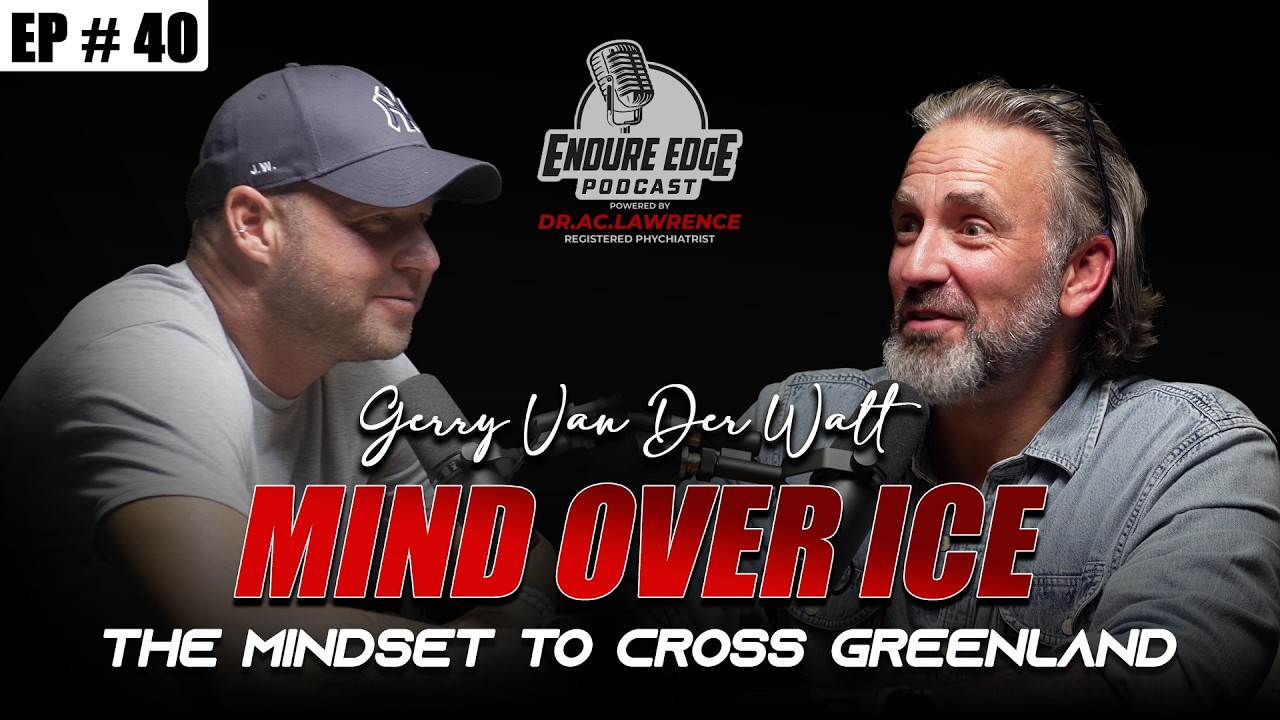
Before the ice, there's the mental preparation. In this conversation with Jacques from The Endure Edge podcast, we talk about the mental preparation and mindset behind the Greenland expedition. The fear. The RAPG framework. What it actually takes to commit to something that terrifies you and then show up for it every day. Worth a watch if you're keen to understand the mindset behind the crossing.

Greenland is the first of the big ones. Not the last. The road now points to the South Pole. Solo and unsupported, the full distance from the coast. Each expedition builds on the last, and each one feeds new material into the coaching, the speaking, and the work.

The ice is one kind of white whale. I am looking at others too. Different places, different challenges, the same commitment to doing hard things in real time and bringing the lessons back.

It started on Greenland's ice. That chapter is done. The next one is already moving.

Coaching Speaking

The Ice Was Just the Start

Greenland is done. The next chapter is already in motion. The writing, the data, and the honest version are told as it happens. Subscribe and follow the whole road to the South Pole.

Let's Talk