
Your strategy is fine. The pressure on your people is not.
Performance advisory for leaders and teams under sustained pressure. Diagnosis first, then the work, then it holds without me.
Honours in sport psychology · 17 years running businesses and lodges · Greenland crossed, South Pole next
The estimated annual cost to the South African economy of untreated stress, anxiety and depression, through lost work days, presenteeism and premature mortality.
Health economists' estimate, widely citedSouth African employees experiencing daily stress. Over 71 percent are disengaged or actively disengaged at work.
GallupYou already know something is off in the team.
The signs are ordinary. That is why they get missed.
- Good people leaving, and the exit interviews say nothing useful.
- Decisions taking three meetings that used to take one.
- A team that is visibly busy and not moving.
- Your strongest performer has gone quiet.
- Sick leave clustering in one department.
- Leaders absorbing everything and passing nothing down, until they break.
None of that is a training problem.
This is not a wellness perk. It is a duty.
Under the Occupational Health and Safety Act, a South African employer is obliged to maintain a working environment that is without risk to the health of its employees, and that includes psychological risk. Chronic stress and burnout are hazards you are expected to identify and mitigate, like any other. Most organisations can show what they have done about physical safety. Very few can show what they have done about this.
An audit gives you something to point at.
Diagnose. Build. Hold.
Diagnose
Two to three days inside the team. Interviews, observation, a short instrument. You get a written read on where you actually sit.
Build
Twelve weeks of work against what the read found. Team sessions, one to one with the leaders carrying the most load, tooling for the managers so it survives me leaving.
Hold
Ongoing advisory for the leadership group. You call before it breaks, not after.
Three ways in.
Two to three days.
- Structured interviews with the leadership group and a sample of the team
- Observation in the working environment where practical
- A written read, ten to fifteen pages, on where the team sits under pressure and what it is costing
- One playback session with leadership
Most engagements start here. It stands on its own.
Twelve weeks. Scoped to team size.
- Starts with a Pressure Audit, credited against the programme
- Built off what the audit found, not off a template
- Team sessions on a fortnightly rhythm
- One to one work with the two or three leaders carrying the most load
- Manager tooling so the work holds after I go
- A written read at the end on what moved
Ongoing. Six month minimum.
- Starts with a Pressure Audit or an existing Build
- Standing access for the leadership team
- A monthly session rhythm
- In the room when something breaks, not called in afterwards
- Quarterly written read
Every programme starts with an audit. If you go ahead within 60 days, the audit fee comes off.
International engagements are quoted in USD, plus travel.
Keynotes and conference work are separate. See speaking →
What the audit actually involves.
Fixed scope, fixed fee, and a document at the end you can put in front of a board or a business partner.
Before we start
A 30 minute scoping call. We agree who I speak to, what I am looking for, and what confidentiality looks like. You get a written scope and a fixed fee before anything is booked.
Two to three days with your people
Individual conversations, about 45 minutes each, usually eight to twelve people depending on the size of the team. Time with the leadership group. Observation in the working environment where it makes sense. A short structured instrument so there is something measured alongside what is said.
What it costs you in time
Forty-five minutes per person. About half a day from whoever leads the team. That is the whole disruption.
What you get
A written read, ten to fifteen pages, inside ten working days. It sets out where pressure is concentrated, what it is costing you in specific terms, what is structural and what is individual, and what to do in what order. It also says what not to do. Then one session where I take the leadership group through it and answer questions.
What working together looks like.
You get in touch
A 30 minute call. I ask what is happening and you decide whether this is worth going further.
Scope and fee
A written scope and a fixed fee for the audit. No open-ended hours, no surprises on the invoice.
The audit
Two to three days, then the written read and the playback session.
You decide
Some organisations act on the read themselves and that is a fine outcome. If you want the work done, we scope a programme against what the audit found, and the audit fee comes off.
The work
Twelve weeks, or ongoing advisory, depending on what you need. Either way it is built so it holds after I go.
This works for an exco of fifteen and it works for a founder with four people. The engagement is scoped to the team you actually have.
This was built on working teams and their leadership, not in a classroom.
The Field Protocol came out of research with 117 people working in remote hospitality operations. Small teams, real margins, guests on site, and no head office to absorb a bad month. If a method survives that, it survives your quarter.
It has since run with the full team at Marataba, a safari and conservation operation in the Waterberg. Leadership, lodge and field, together, in an operating environment where performance is visible daily.
Built by someone who ran businesses and lodges for seventeen years and tested it on ice.

- Managed five-star game lodges in Madikwe for owners and shareholders. I was accountable for other people's capital before I ever risked my own.
- Co-founded Wild Eye in 2011 and ran it from nothing to a small and medium sized operation with staff, payroll and seasons that went badly. Seventeen years running businesses and lodges in total. I have made the decisions the room is trying to avoid.
- Those years ran through power cuts that stopped the operation, currency swings that moved the margin between quote and invoice, and clients paying in three currencies. I have not read about operating under pressure. I have done it.
- Six years running a coaching practice with executives, founders, high performers and athletes, and a research study with 117 people working in live operations. The work is the same in every case: holding mental fitness together while the performance demand keeps coming.
- BA Honours in sport psychology, RAU, before it became UJ.
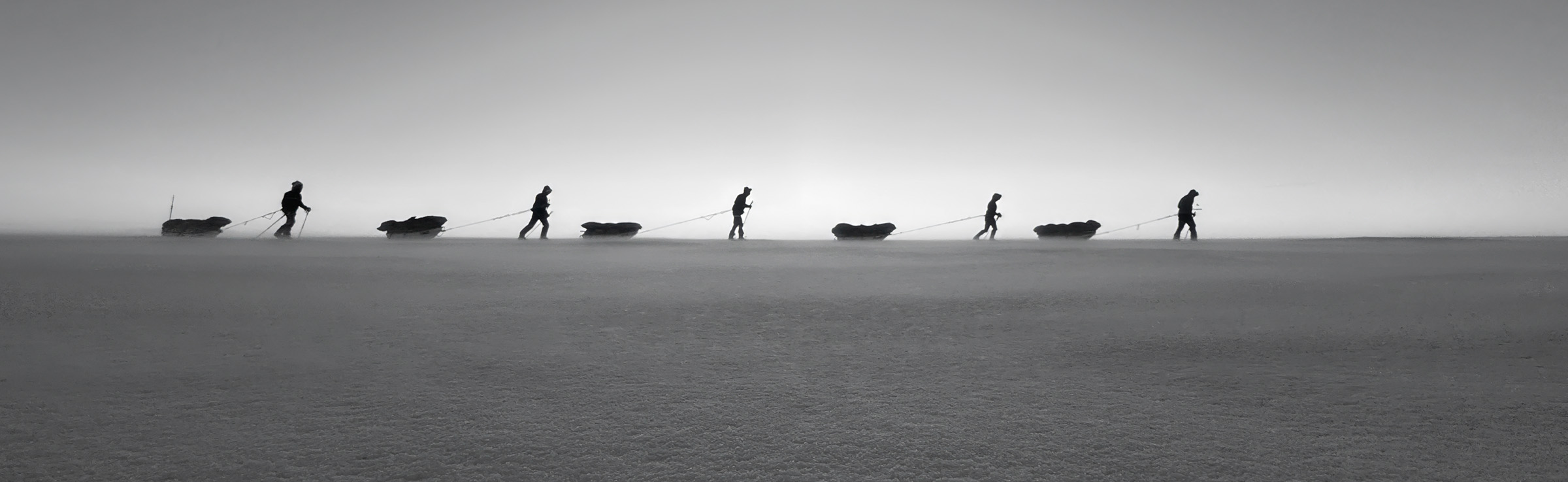
- Crossed the Greenland ice sheet in 2026. 553km, team, unsupported, on a route where the plan stops mattering on day three.
- Next is the South Pole. Years of planning and training for a single objective, which is what long-horizon performance looks like when nobody is watching.
You get me, in the room, for the whole engagement. The service is the product. I'm the guarantee.
When one leader is not enough.
Some teams need to be taken out of the building. Immersions run as an addition to a Build or a Retainer, never on their own, because the value is in what happens when they come back. Priced per engagement.
A written read, ten to fifteen pages, on where the team sits under pressure and what it is costing you. Names withheld, patterns named. Plus a playback session with leadership where we go through it and you decide what happens next, if anything.
Both. The engagement is advisory, the work inside it is coaching. You are not buying a programme off a shelf.
Both, weighted by what the audit finds. The diagnostic samples the whole team. The build works the leadership group hardest, because that is where pressure either gets managed or gets passed down.
An Employee Assistance Programme supports individuals after the fact, confidentially, and it should stay in place. It is reactive by design. This is the other direction. It looks at the conditions creating the load, reports to leadership on what is driving it, and gives you something you can act on. Different job. They work well alongside each other.
Yes. Based in Johannesburg, working across South Africa. The audit needs days inside your operation, so travel is quoted with the engagement.
Very little, and nothing you have to go and buy.
A room I can use for the two or three days. A boardroom, an office, anything with a door that closes. It matters more that people feel they can speak freely than that the room is comfortable.
A schedule. Someone on your side books the 45 minute slots and tells people what is happening and why. That message coming from you rather than from me makes a real difference to how honest the conversations are.
Access to whoever I need to speak to, including people who are not in the leadership group. If the sample is only the people who are doing fine, the read is worth nothing.
Any numbers you already have. Absenteeism, turnover, leave balances, engagement survey results if you run one. I am not auditing your HR data, but it tells me where to look.
That is it. No system access, no software, no preparation from your team beyond the diary.
International engagements are quoted in USD, plus travel. They are usually built around a keynote or a leadership session while I am already in market, with the audit running behind it.
Then that is the engagement. Most organisations start there, and some stop there. The read is yours either way, and it stands on its own. If the findings point to more, you will see it in the document before you hear it from me.
Start with the audit.
Two to three days, a written read, and a clear picture of what is actually costing you. Then you decide what happens next.
Book a Pressure AuditBoards, exco groups and leadership teams outside South Africa, by arrangement. International engagements are quoted in USD, plus travel. Get in touch.