
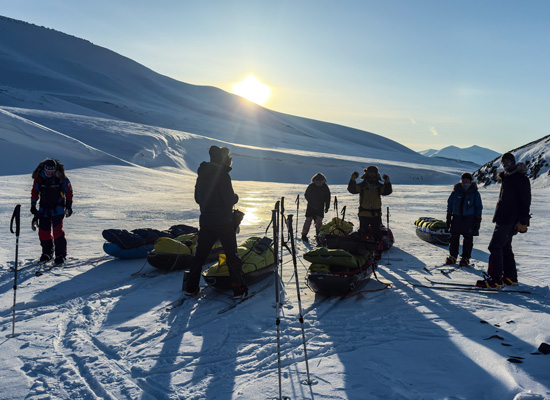
Your First Days on the Ice
On the ice 28 March to 1 April 2027. Nine days in total with the coaching built around it. Learn polar travel with someone walking the road to the South Pole.
Book Your PlaceMy own road started exactly here. A polar primer in 2024, in Svalbard, where I learned the basics you cannot skip. Navigation, camp work, cold, hauling a sled. Two years later I crossed Greenland. Now I am taking a small group onto the ice the same way, with the coaching wrapped around it. This is not a tour. It is the first real step onto the ice, done properly.
Nine days, built in three parts.
Two full days before we step onto the ice. Coaching first, so you arrive prepared in your head, not just your kit. Then the practical work: tents, stoves, sleds, skis, food. By the time we leave town you know your systems.
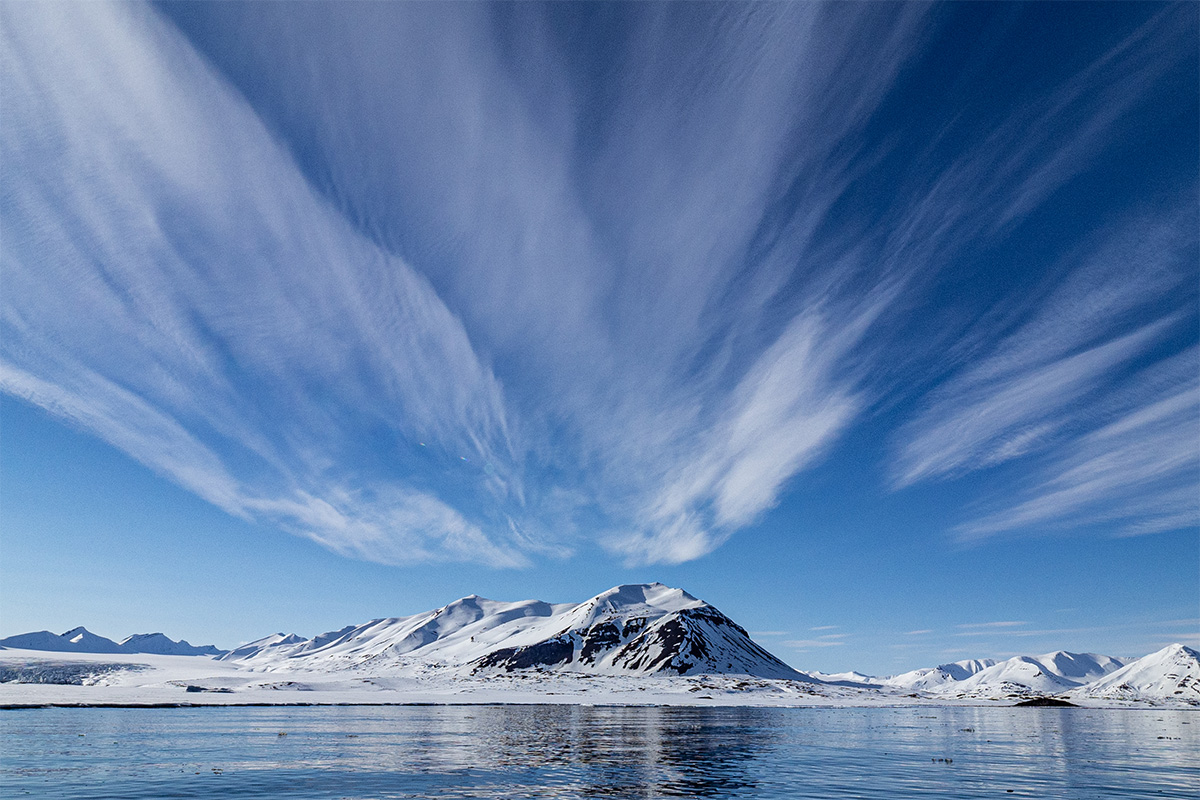
Five days living the expedition rhythm. Break camp, ski, rest, ski, camp again. Frozen valleys, glaciers, mountains. Distance is not the goal. Competence is.
A debrief day when we come off the ice, two sessions of two hours with time to explore Longyearbyen between them. What you found out about yourself out there deserves more than a flight home and a photo album. We work it into something you keep.
Arrive in Longyearbyen. Settle in, meet the group. We start that evening with the first coaching session. Who you are, why you are here, what you want from the ice.
Two coaching sessions, two hours each. The frameworks I use on every expedition. How to handle discomfort. How to keep moving when you want to stop. How to be a good teammate at minus twenty. Between sessions you have time to explore Longyearbyen, the northernmost town in the world. Late afternoon we do the gear handover at the warehouse.
Prep day. Tent pitching, stove lighting, sled packing, food, ski practice. Everything gets touched before it matters.
A shuttle to the edge of town, skis on, and we go. Five days and four nights moving through frozen valleys and over glaciers. The last two nights we camp in one spot and do a glacier day trip with light sleds, and on the final day we ski back to the edge of Longyearbyen. Conditions decide the extras. Past years have meant ice caves. Some years it means roped glacier travel. The ice decides, which is part of the lesson.
Two coaching sessions, two hours each. We take what happened out there, the hard hours, the small wins, the things that surprised you, and turn it into tools you take home. The rest of the day is yours in Longyearbyen. That evening we celebrate properly.
Fly home on 3 April.
The alarm goes at six. First job is the stove, warmth and water for breakfast and the thermoses. Camp comes down fast because moving is warmer than standing still. A short meeting on the day's plan, then skis on by half past eight.
We ski for about an hour, then rest for ten. Then again. Lunch is half an hour, sitting on the sleds. You will not go hungry. Then more sessions through the afternoon. We start at around four hours a day and build toward seven or eight as the group finds its legs.
At the end of the day we make camp, secure the tents, rig the bear perimeter, light the stoves, eat, and sleep a full eight hours. Then we do it again. That repetition is the whole point. Somewhere in the middle of it you stop fighting the routine and start belonging to it.
Pitch a tent in wind. Run a stove in a small space. Melt snow for water. Build a camp that keeps you alive and comfortable.
Layers, moisture, movement. How to stay warm at minus twenty five, and what to do when you are not.
Hauling a sled, pacing yourself, eating and drinking on the move, and getting up to do it again tomorrow.
The same frameworks I used across Greenland, worked on before the ice and made real by it. These come home with you. That is the point of the whole thing.
Gerry van der Walt. Host and coach.
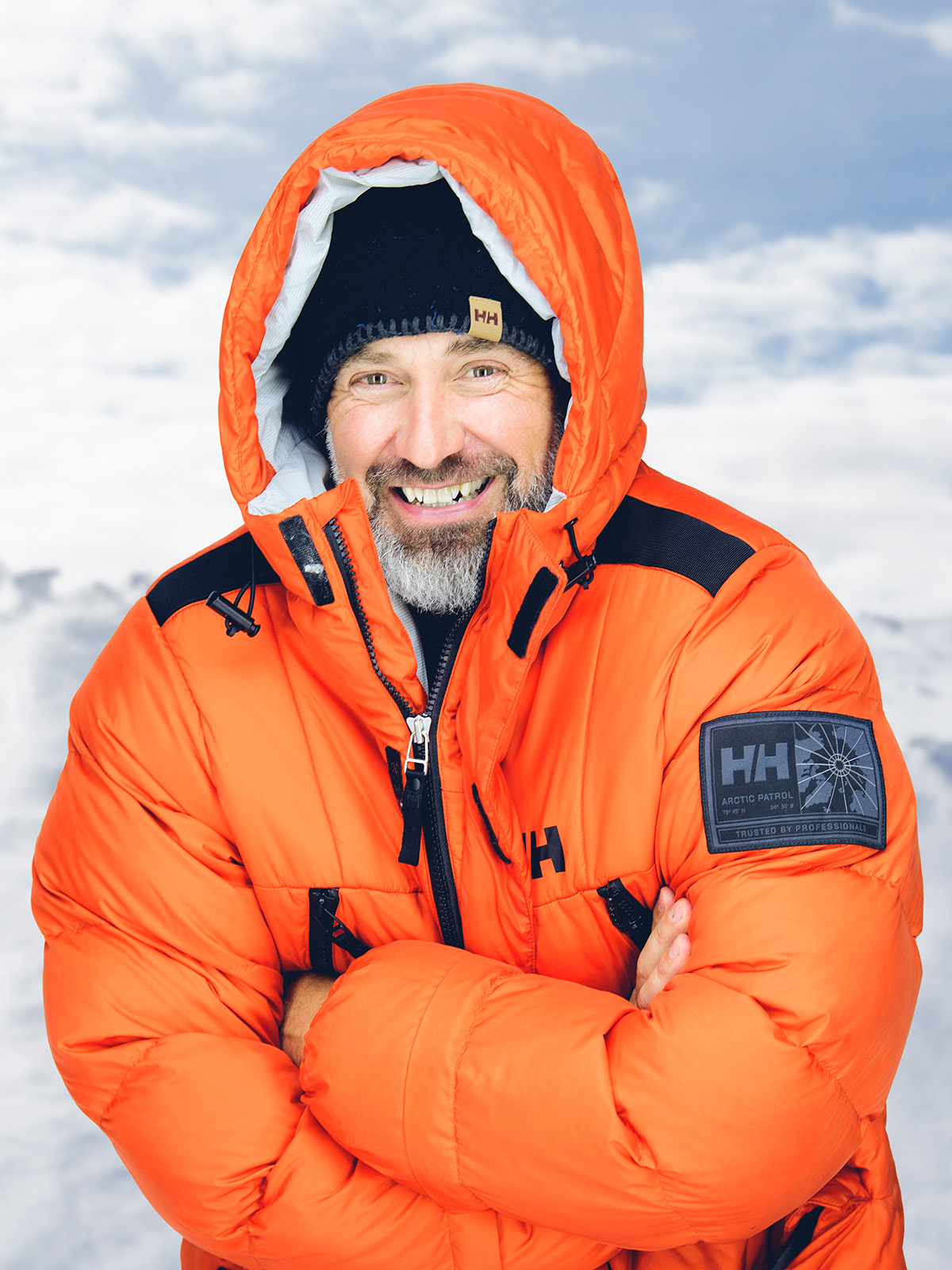
I have spent 25 years leading people into wild places, and I have been going to Svalbard since 2013. In May 2026 I crossed the Greenland ice cap, 553 kilometres, unsupported, as part of a team. I am on a five year road to the South Pole, solo and unsupported, in 2030. This primer is a leg of that road.
On the ice we run with Icetrek, the polar expedition company of veteran guide Eric Philips. Guided by Icetrek's polar guides. Hosted and coached by me.
Mardi Philips. Icetrek expedition guide.
[Mardi bio to come. Confirm wording and credentials with Icetrek before launch. Do not publish this block without it.]
You do not need to be an expedition athlete. You need to be curious about what you are capable of, reasonably fit, and ready to be uncomfortable in the best way. Some people come because the ice is calling them. Some come because they want to test themselves somewhere real, with structure and safety around them. Both are right.
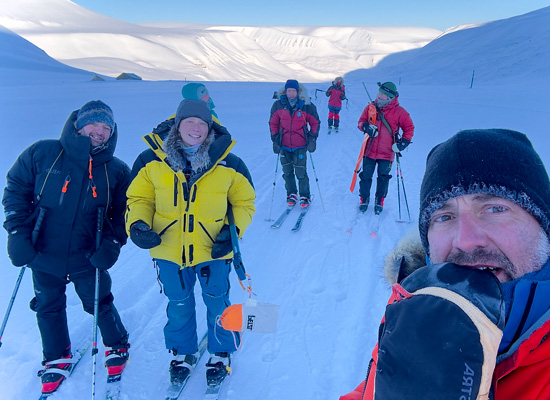
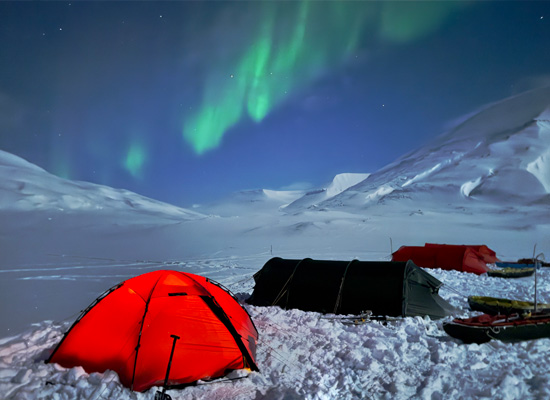

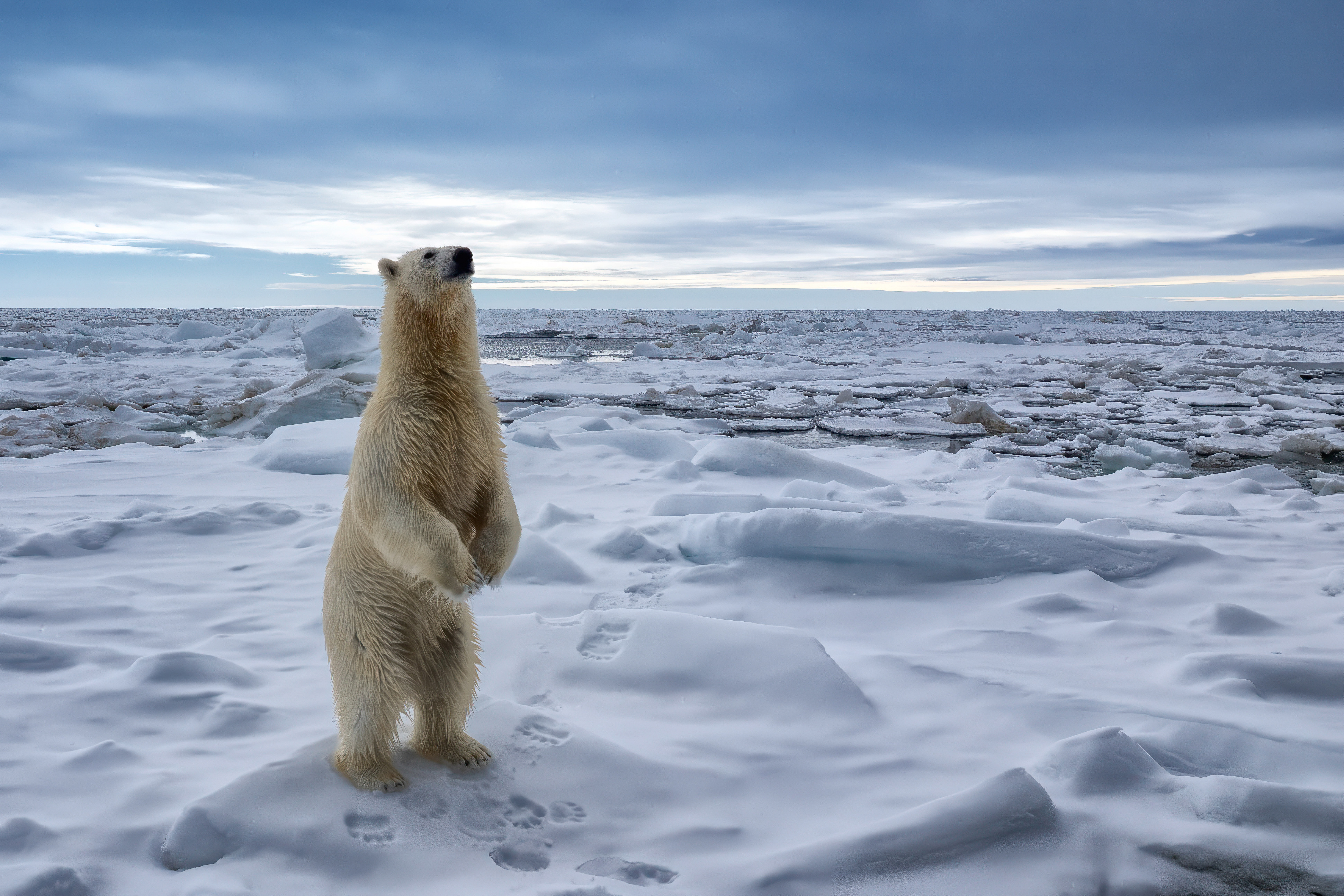
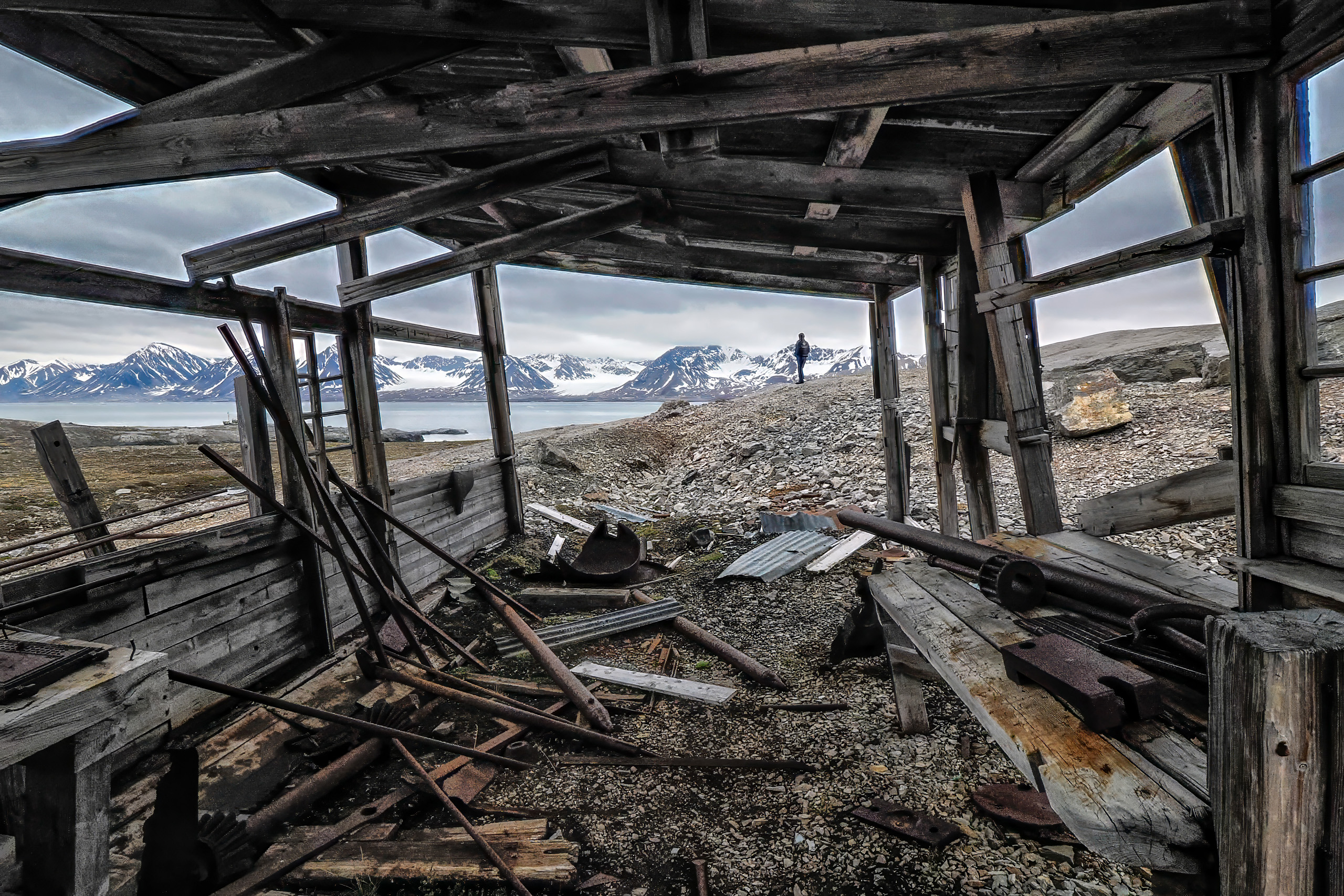
This primer is a leg of something larger. I am on a five year road to the South Pole, solo and unsupported, in 2030. The same ice that is training me can train you. That is what makes this different from every other trip out there.
- All coaching, before, on and after the ice
- The pre-trip prep programme
- Five nights of accommodation in Longyearbyen
- Expedition guiding by Icetrek's polar team
- All group gear: tents, pulks, stoves, safety comms
- All food on the ice
- The final night celebration dinner
- Flights to and from Longyearbyen
- Travel and evacuation insurance (required)
- Personal clothing and boots (full gear list provided in the prep programme)
- Meals in town
€4,500 per person
Everything on the ground is included, from the night you land to the morning you fly home. Roughly $4,900 or R94,000, billed in euros.
A 50% deposit secures your place. The balance is due 31 December 2026.
This is the founding year. The Primer becomes an annual departure, and this price will not come around again.
How Booking Works
Send the form and your place goes on hold. I reply within 48 hours.
A short call to confirm the details and make sure this is right for you.
Your deposit invoice follows the call. Once paid, one of the eight places is yours.
Coaching, training guidance and kit support in the months before we fly.
No. Many people on this programme have never been on skis before. We train you on the ice at a manageable pace. If you can walk, you can learn this.
Anywhere from minus 10 to minus 35 on the ice. Cold management is one of the core skills you come to learn, and the kit and systems are built for it.
35 to 40 kilograms. It sounds like a lot. On skis, on snow, with the right harness and rhythm, it moves. Getting comfortable in the harness is exactly what this trip is for.
Distance is not the goal. We start at around four hours a day, skiing for about an hour and resting for ten, with half an hour for lunch. As the group finds its legs we build toward seven or eight hours.
Reasonably fit, not superhuman. If you can commit to a few months of consistent training and handle long days on your feet, you are in range. Training guidance is part of the prep programme.
This is their home and we treat it that way. Camps are protected by a perimeter alarm system and the guides carry flare guns and firearms, which is required by law in Svalbard. Sightings are rare. Preparation is not optional.
Hilleberg expedition tents, two people per tent, with sleeping systems rated to minus 40. You get a minimum of eight hours of sleep every night. Recovery is part of the programme, not a luxury.
You do. Melting snow and running the stove is expedition life, and we train you on it before you need it.
Outside, quickly, with a system you learn on day one. Everyone wants to ask this and nobody does. The honest answer is that it becomes normal faster than you think.
Most people do. You arrive solo and leave with seven people who watched you do something hard.
All technical equipment is provided. You bring personal clothing and footwear, and the full kit list comes with your booking. I will help you get it right without overspending.
Yes. Travel insurance with evacuation cover is mandatory, and details come with your booking pack.
Arrive in Longyearbyen by the afternoon of 25 March 2027. We start that evening. Book your flight home for 3 April.
The expedition runs with a minimum of six people. If we are not there by 1 November 2026, you choose: a full refund of everything you have paid, or roll your place to the 2028 departure. No fine print.
Euros. The invoice shows the rand or dollar equivalent on the day so you know exactly where you stand.
Book Your Place.
Eight places. When they are gone, they are gone. Enquire below.