
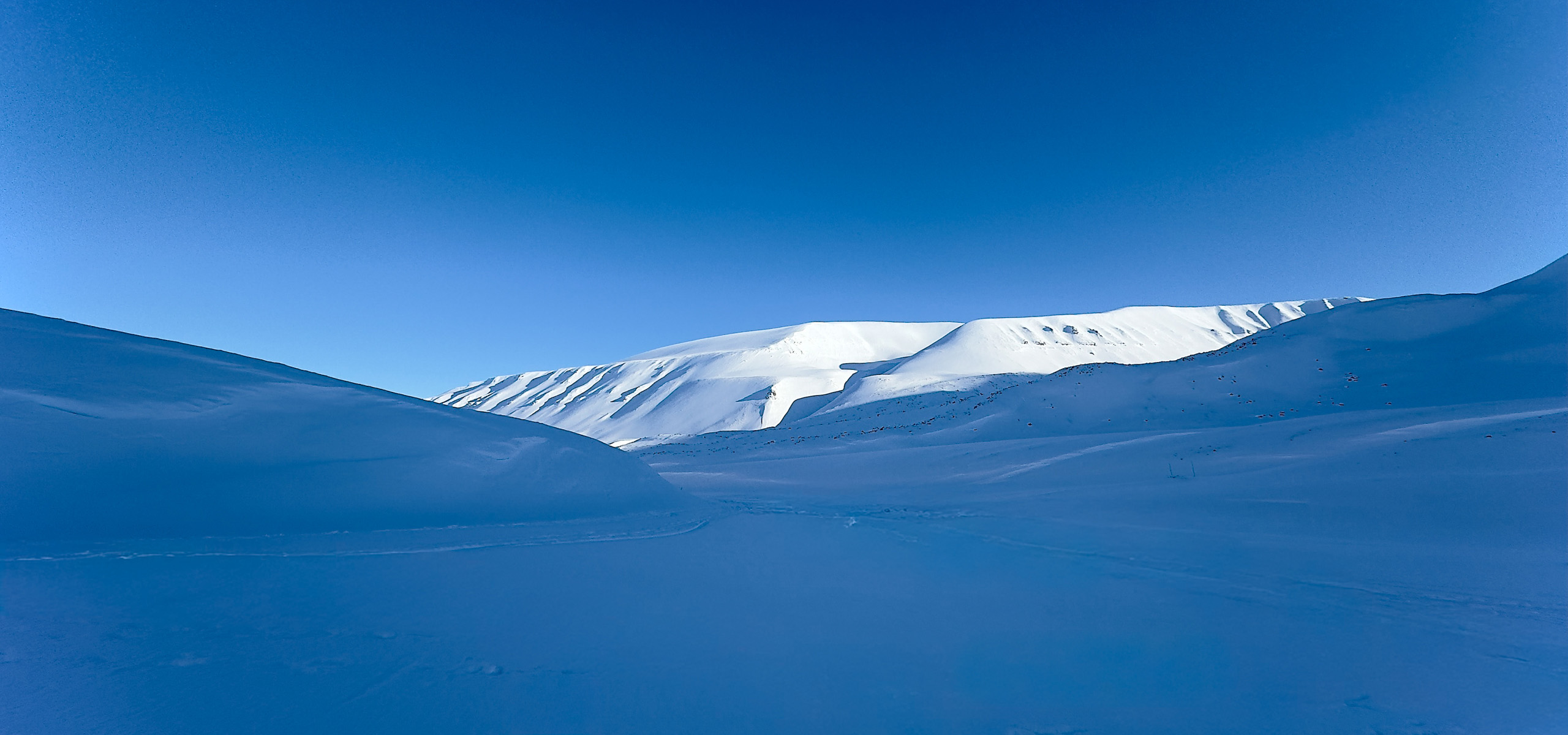
A Real Arctic Expedition. No Experience Needed.
Nine days on the ground, five of them on the ice, for a maximum of eight people. Arrive 25 March 2027, fly home on 3 April.
25 March to 3 April 2027Nine days on the groundFive days on the iceMaximum eight, runs from six€4,750 all-in on the groundEnquiries open
Looking for the ship? The hosted photographic voyage is a different trip: see the Svalbard ship expedition report and its 2027 sailing.
im·mer·sionnoun
1. Complete involvement in a place, until the place starts working on you.
2. A small group, a wild landscape, and expedition preparation trained through every day, the head as seriously as the body. Not a tour. Not a retreat. An expedition.
3. Setting out to immerse yourself in a place. Ending up immersed in yourself.
You do not need to be an expeditioner. You do not even need to be an athlete.
You need to be curious about what you are capable of, reasonably fit, and ready to be uncomfortable in the best way. If you want the Arctic in the most direct way there is, this is it. Not from a ship. Not through a window. On the ice, hauling your own sled, melting your own water, earning every kilometre. Some people come because the ice is calling them. Some come because they want to test themselves somewhere real, with structure and safety around them. Both are right.
It is not for you if you want the Arctic from a deck, a fixed itinerary, or a week where someone else carries the load. The ice decides the extras, you carry your own sled, and that is the point.
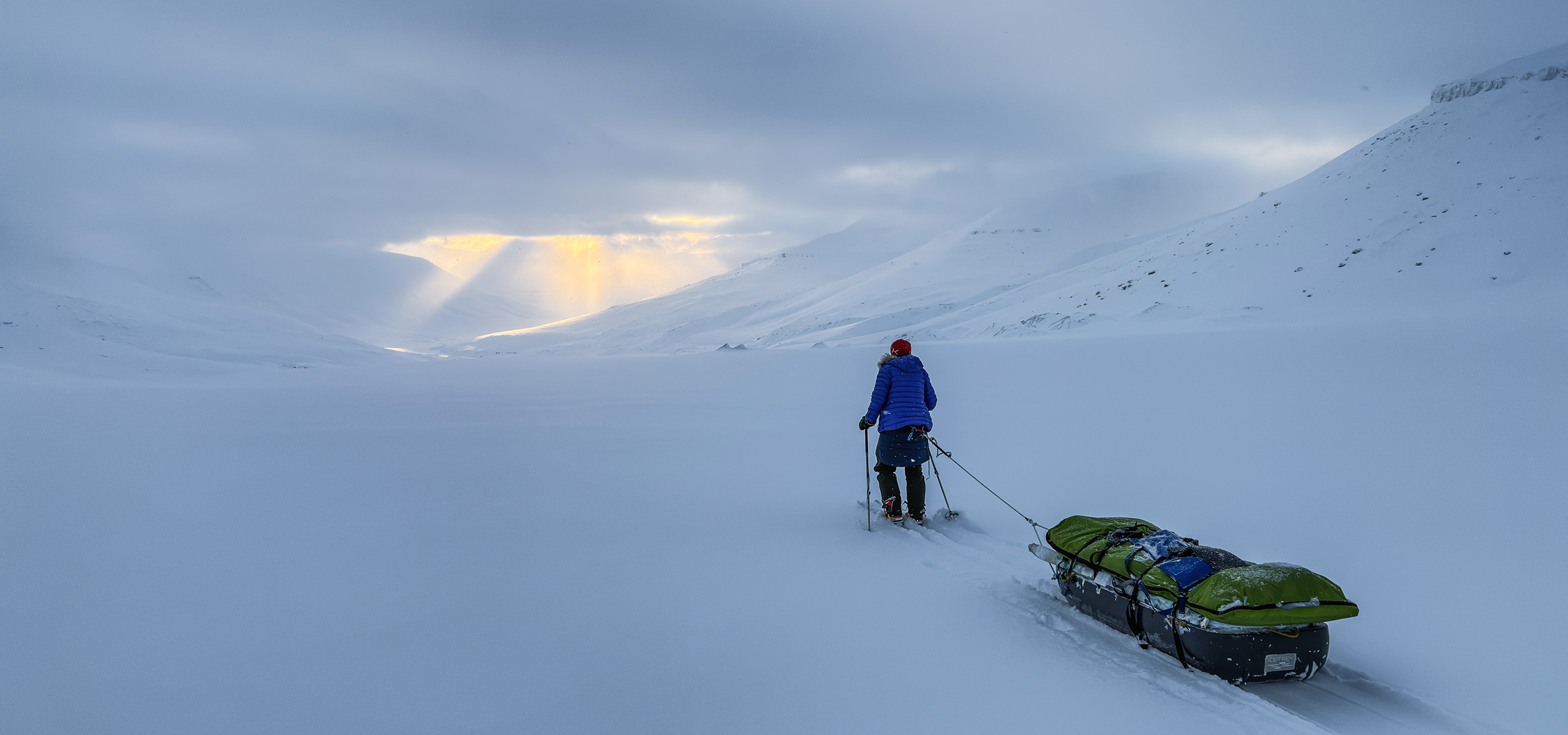
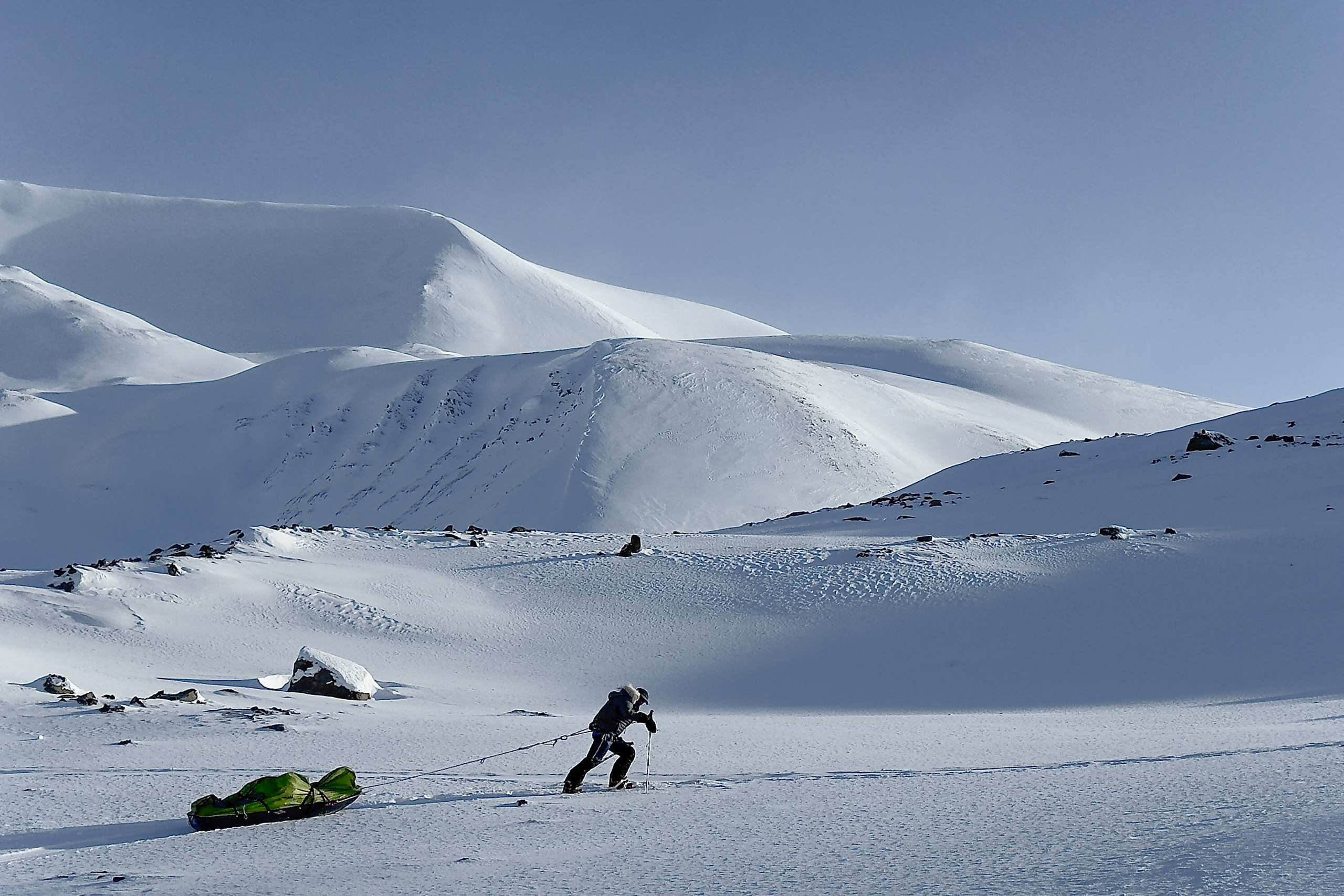
The physical reality, honestly: the sled weighs 35 to 40 kilograms, the skiing starts at about four hours a day and builds toward seven or eight, and temperatures run anywhere from minus 5 to minus 35. Reasonably fit and ready to train is enough. Training guidance is part of the prep programme.
Why people come
If you have never done anything like this, you are not being tolerated here. You are who this was built for. The pace, the preparation and the programme all start from no experience.
Most of what you do well, you do in front of people. The work, the training, the results. All of it measured, all of it watched. Somewhere along the way the watching became part of the effort, and it gets harder to know what you would do with nobody keeping score.
The ice does not keep score. There is no audience, no metric, no one to perform for. Just cold, distance, and a sled that weighs what it weighs. Whatever you bring out there is what you have. For a certain kind of person that is the most honest test left.
And some people come to it from the other side. Not chasing a test, just aware that the edges have gone a little soft. Flat where there used to be appetite. They suspect, without quite saying it, that somewhere colder and simpler might give those edges back. They are usually right.
A real expedition, scaled honestly to you
An Immersion is a real expedition. Real sleds, real cold, real distance, run on Icetrek's on-ice programme by people who do this for a living. What changes is the scale, set honestly for someone with no experience: the pace, the daily hours, the margins. You are not a passenger on someone else's expedition. You are doing the expedition, at a size you can actually do.
The coaching runs through the days rather than sitting on top of them. Briefings before the ice, the same mental systems I take on every expedition, and a debrief after it so what happened out there gets turned into something you keep. The ice does half the work. The coaching makes sure it does not evaporate on the flight home.
Nine days, start to finish.
- Day 1, 25 March: arrive in Longyearbyen, meet the group, the first expedition briefing.
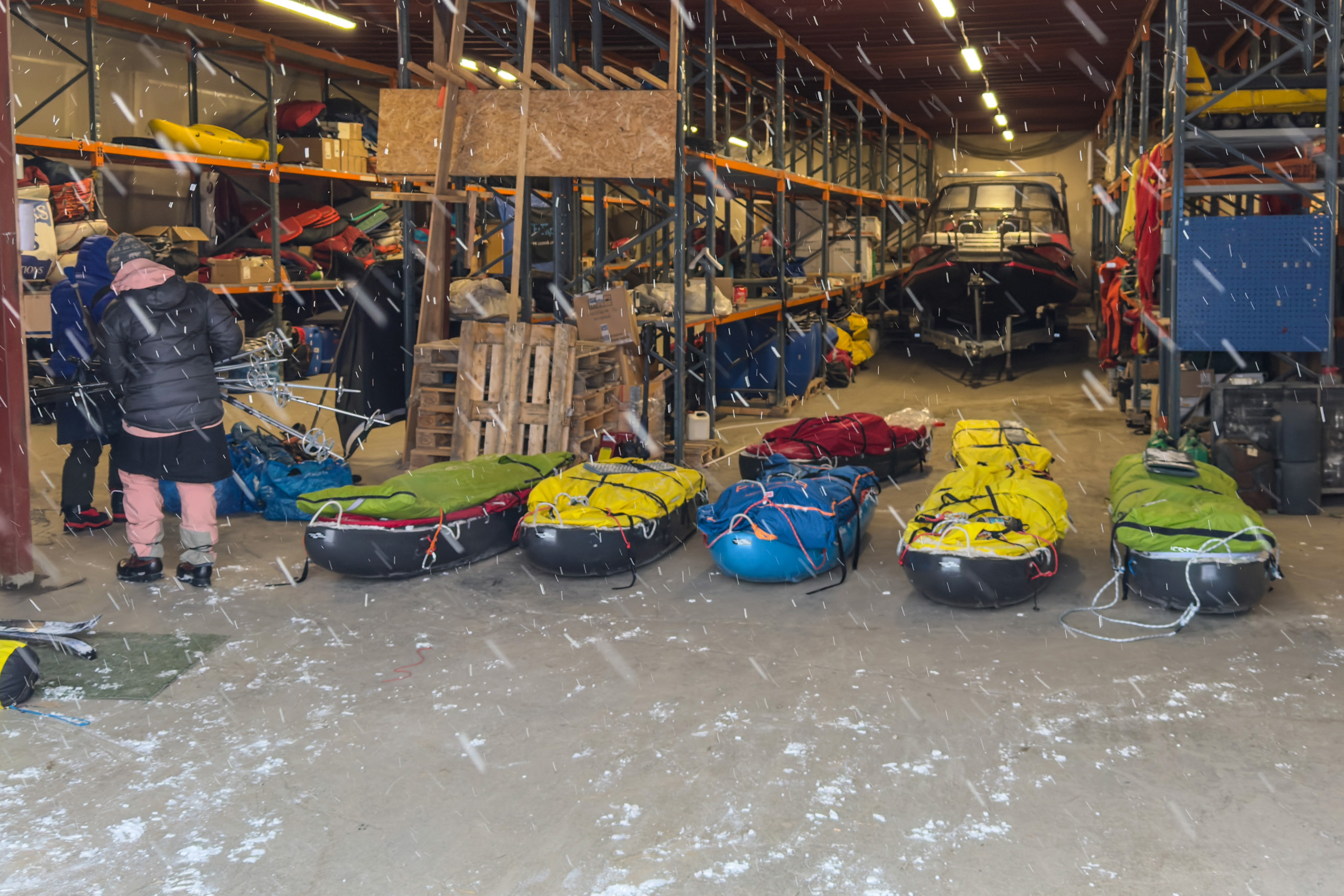
- Day 2: two briefing sessions on the mental systems, and the gear check at the warehouse.
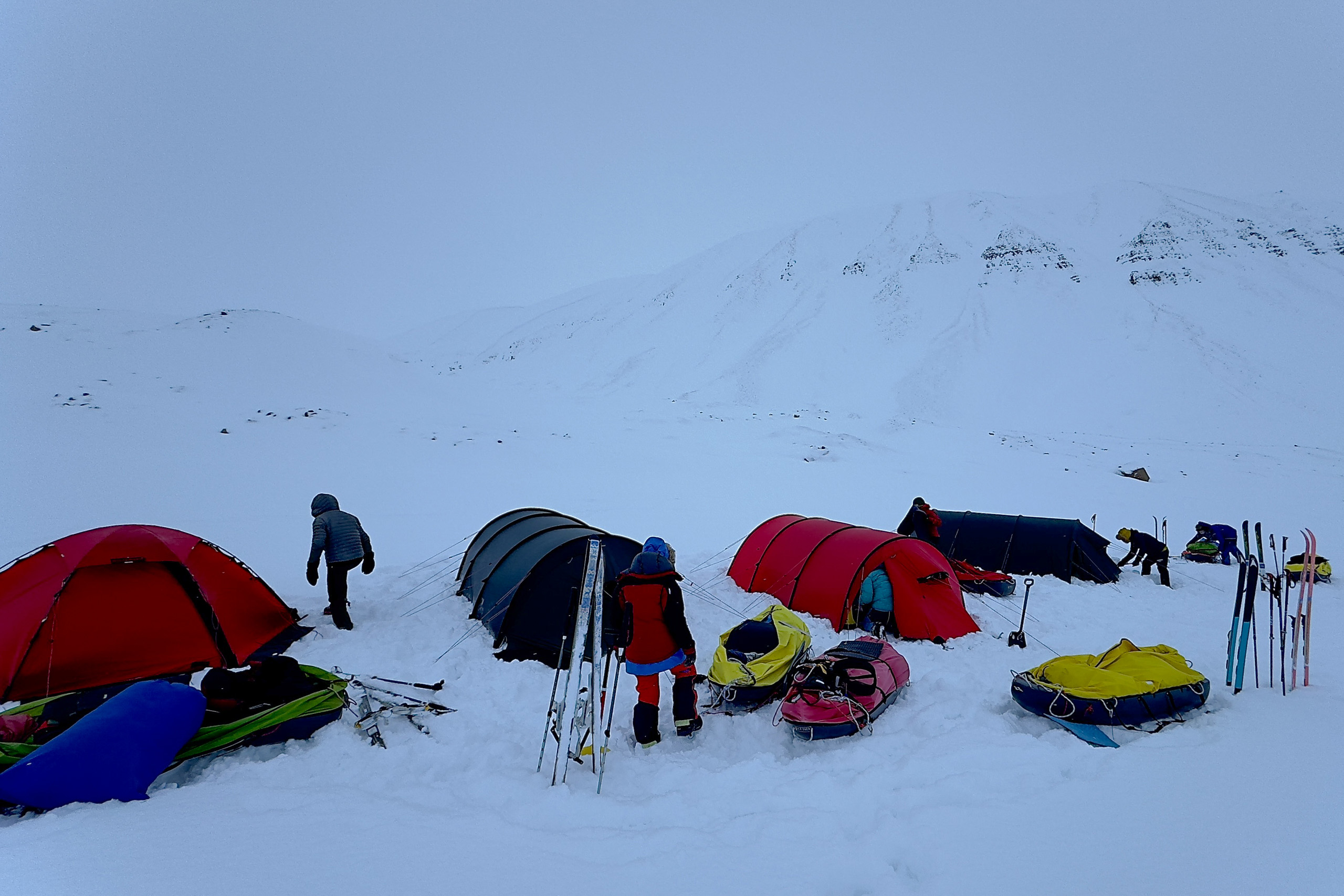
- Day 3: tents, stoves, sleds, skis. Everything gets touched before it matters.
- Days 4 to 8: five days and four nights on the ice, through frozen valleys and over glaciers.
- Day 9: the debrief, the celebration dinner, and the flight home on 3 April.
The full day by day
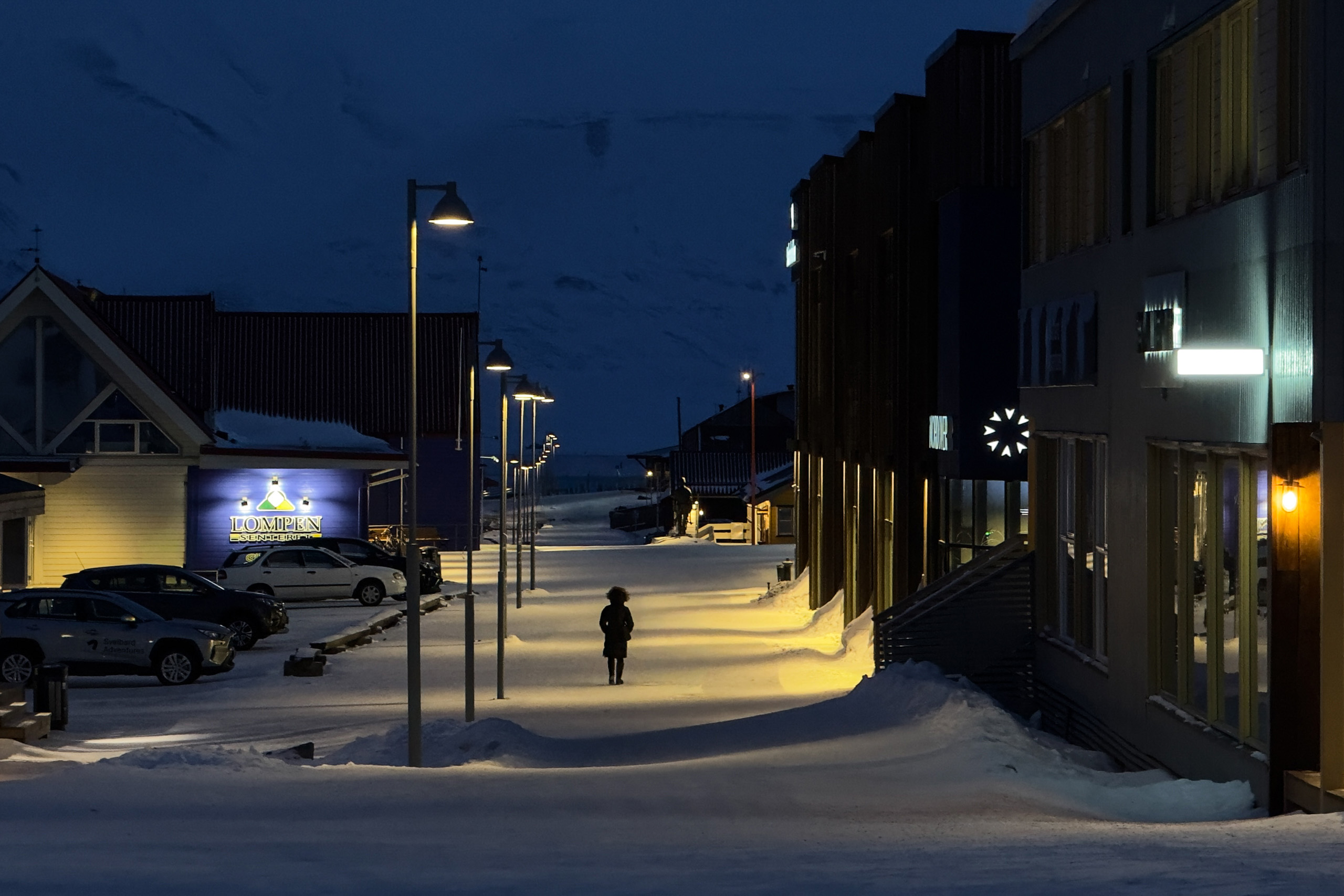
Arrive in Longyearbyen. Settle in, meet the group. That evening, the first expedition briefing: who you are, why you are here, what you want from the ice.
Two briefing sessions, two hours each. The same mental systems I take on every expedition, trained the way we train the body and the kit: handling discomfort, keeping moving when you want to stop, being a good teammate at minus twenty. Time between them to explore the northernmost town in the world. Late afternoon, the gear check at the warehouse.
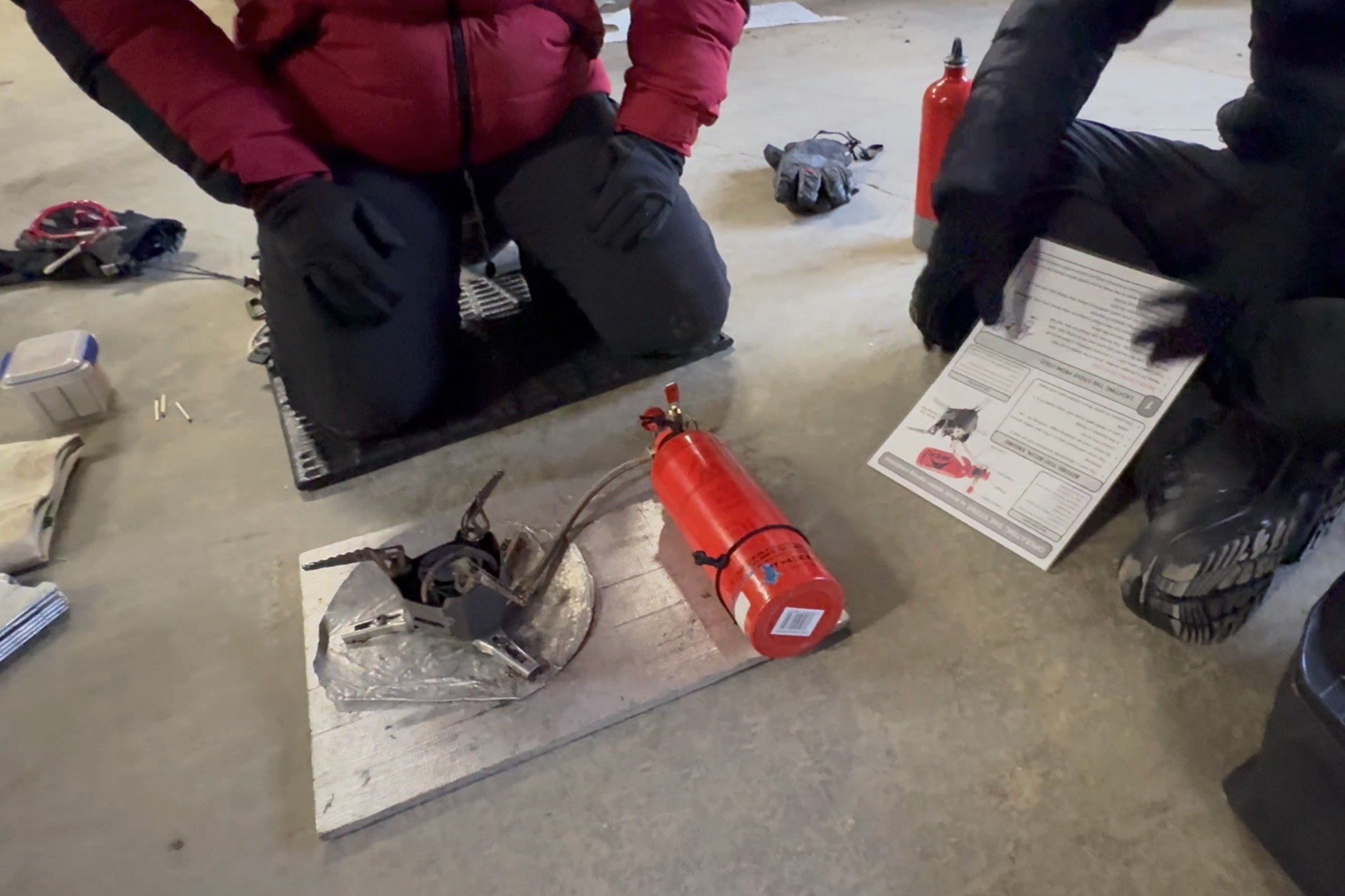
Tent pitching, stove lighting, sled packing, food, ski practice. Everything gets touched before it matters.
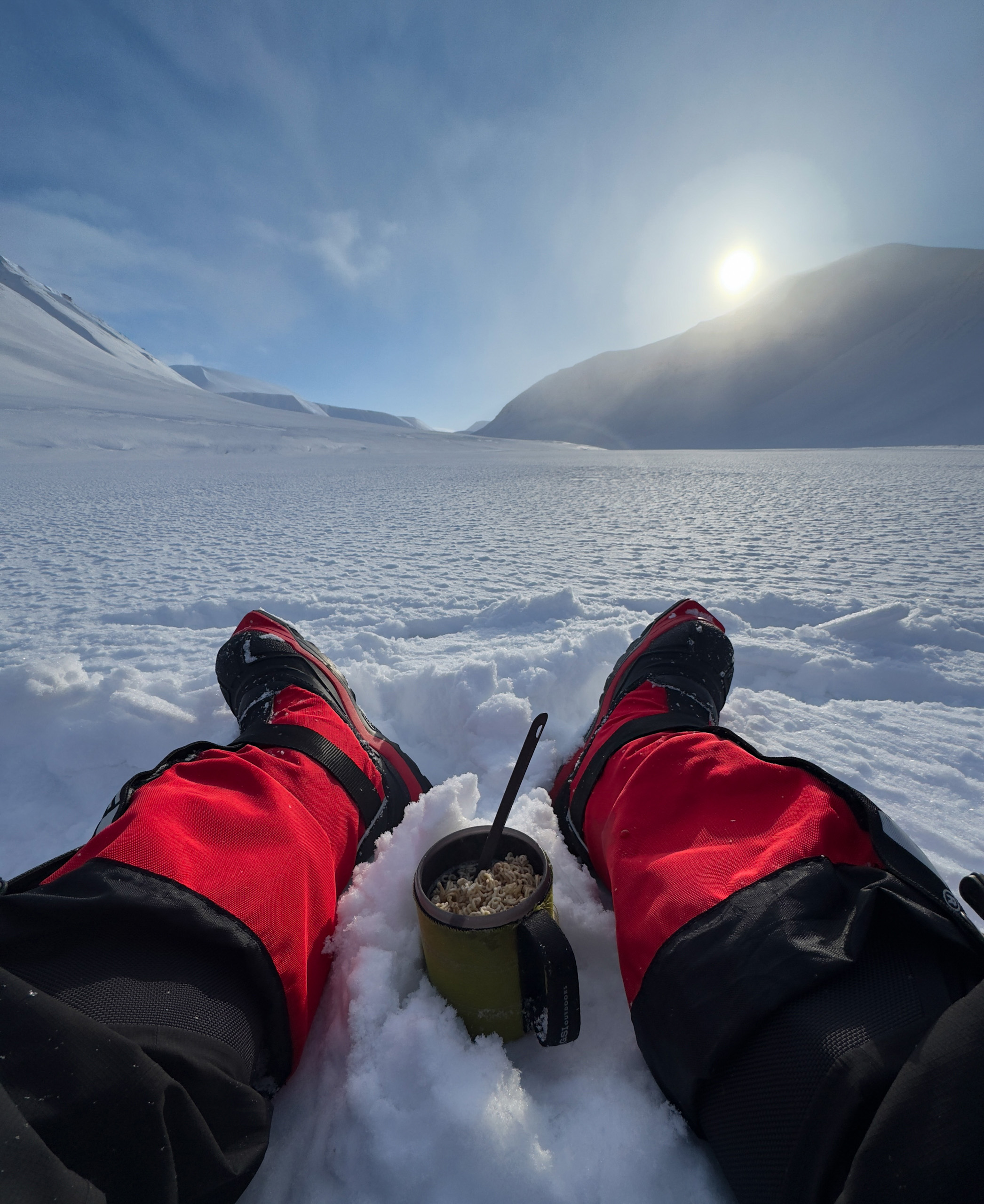
A shuttle to the edge of town, skis on, and we go. Five days and four nights through frozen valleys and over glaciers. The alarm at six, the stove first, camp down fast because moving is warmer than standing still. About an hour of skiing, ten minutes of rest, again. Four hours a day to start, building toward seven or eight as the group finds its legs. Camp, the bear perimeter, the stoves, eight hours of sleep. Then again. Somewhere in the middle of that repetition you stop fighting the routine and start belonging to it.
Depending on the season, the last nights may be camped in one place with a glacier day on light sleds, and on the final day we ski back to the edge of Longyearbyen. Past years have meant ice caves or roped glacier travel. The ice decides, which is part of the lesson.
Two debrief sessions, two hours each. Every serious expedition ends with a debrief, and this one is yours: the hard hours, the small wins, the things that surprised you, turned into tools you take home. The rest of the day is yours in Longyearbyen. That evening we celebrate properly.
Fly home on 3 April.
What comes home with you
Pitch a tent in wind. Run a stove in a small space. Melt snow for water. Build a camp that keeps you alive and comfortable.
Layers, moisture, movement. How to stay warm at minus twenty five, and what to do when you are not.
Hauling a sled, pacing yourself, eating and drinking on the move, and getting up to do it again tomorrow. A lot of the day is spent inside your own head. That is the point, and it is exactly what the preparation is for.
The mental side of performance, prepared before the ice and proven on it. The same systems I used across Greenland. It is the part nobody photographs, and it comes home with you.
One price. Everything on the ground.
Nine days on the ground
Arrive 25 March 2027, fly home 3 April.
Five days on the ice
28 March to 1 April, hauling your own sled.
Five hotel nights
In Longyearbyen, before and after the ice.
The Icetrek programme
All group gear, tents, pulks, stoves, safety comms and food on the ice.
Expedition guiding
Icetrek's polar team, with the gear check at the warehouse.
The coaching thread
Briefings before the ice, the debrief after it, and the final night dinner.
Everything on the list
- Nine days on the ground: arrive 25 March 2027, fly home 3 April
- Five days on the ice, 28 March to 1 April
- The gear check at the warehouse, 26 March
- Five hotel nights in Longyearbyen
- The Icetrek on-ice programme: all group gear, tents, pulks, stoves and safety comms, and all food on the ice
- Expedition guiding by Icetrek's polar team
- The coaching thread through the week: the briefings before the ice and the debrief after it
- The final night celebration dinner
- Maximum eight people, and the expedition runs from six
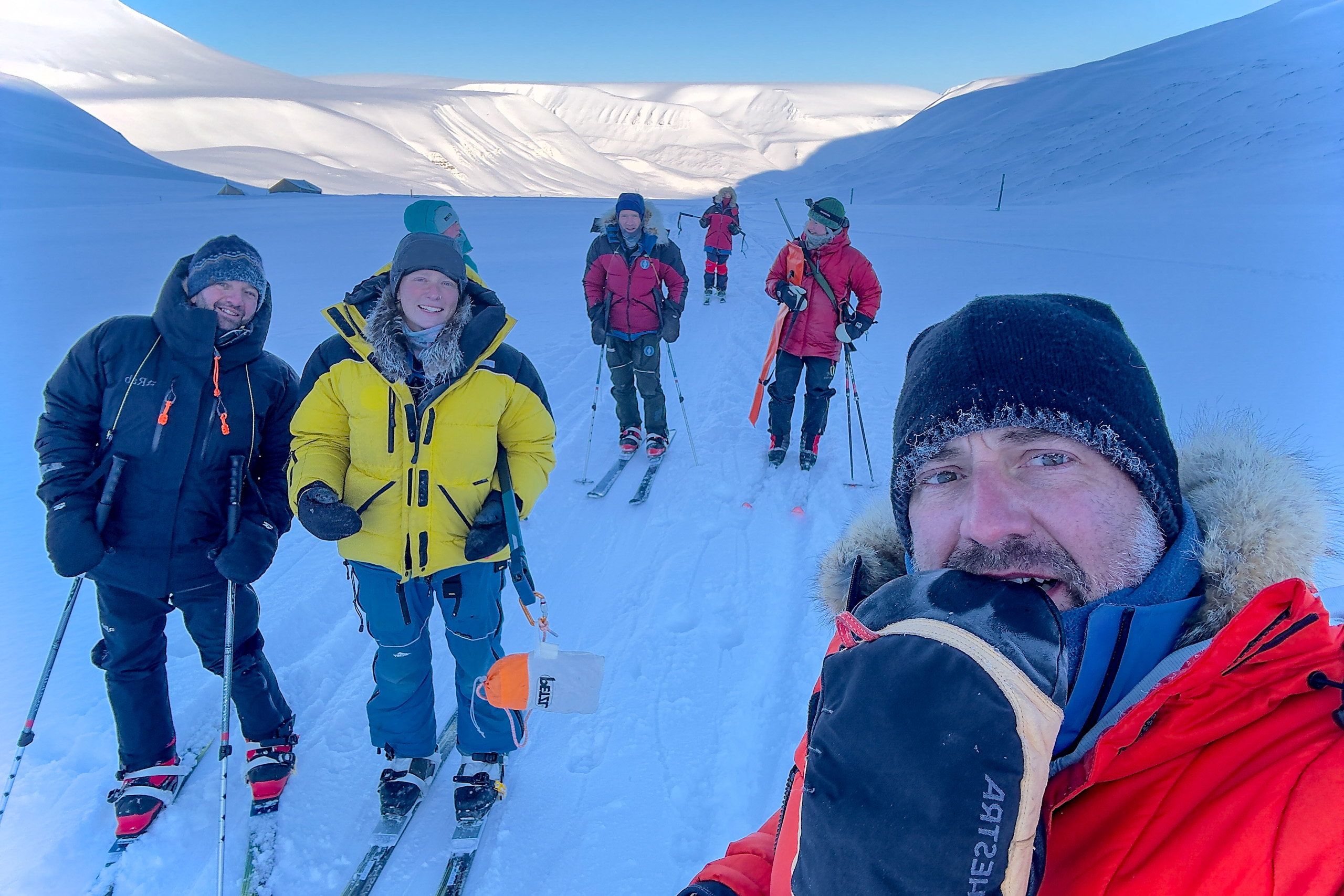
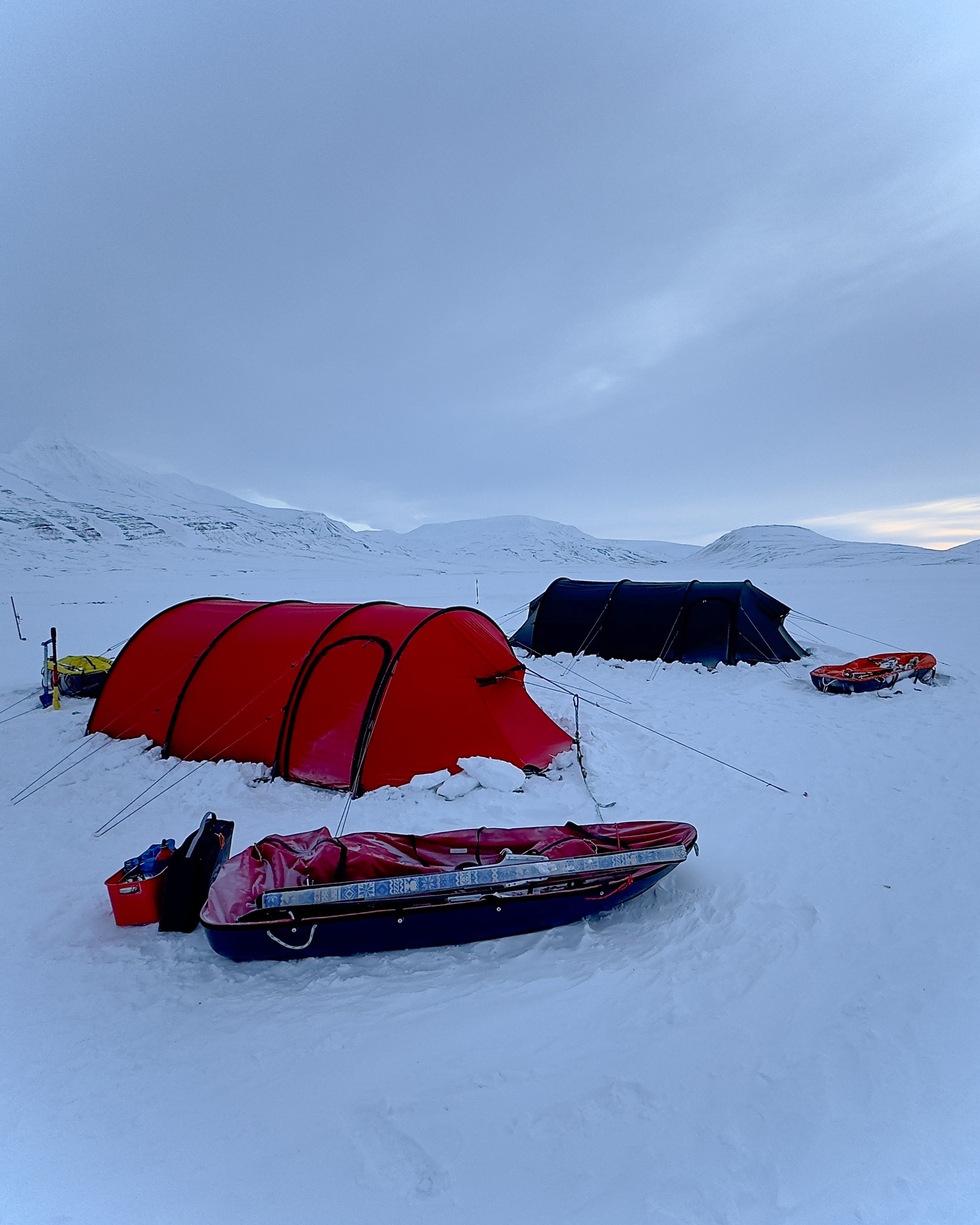
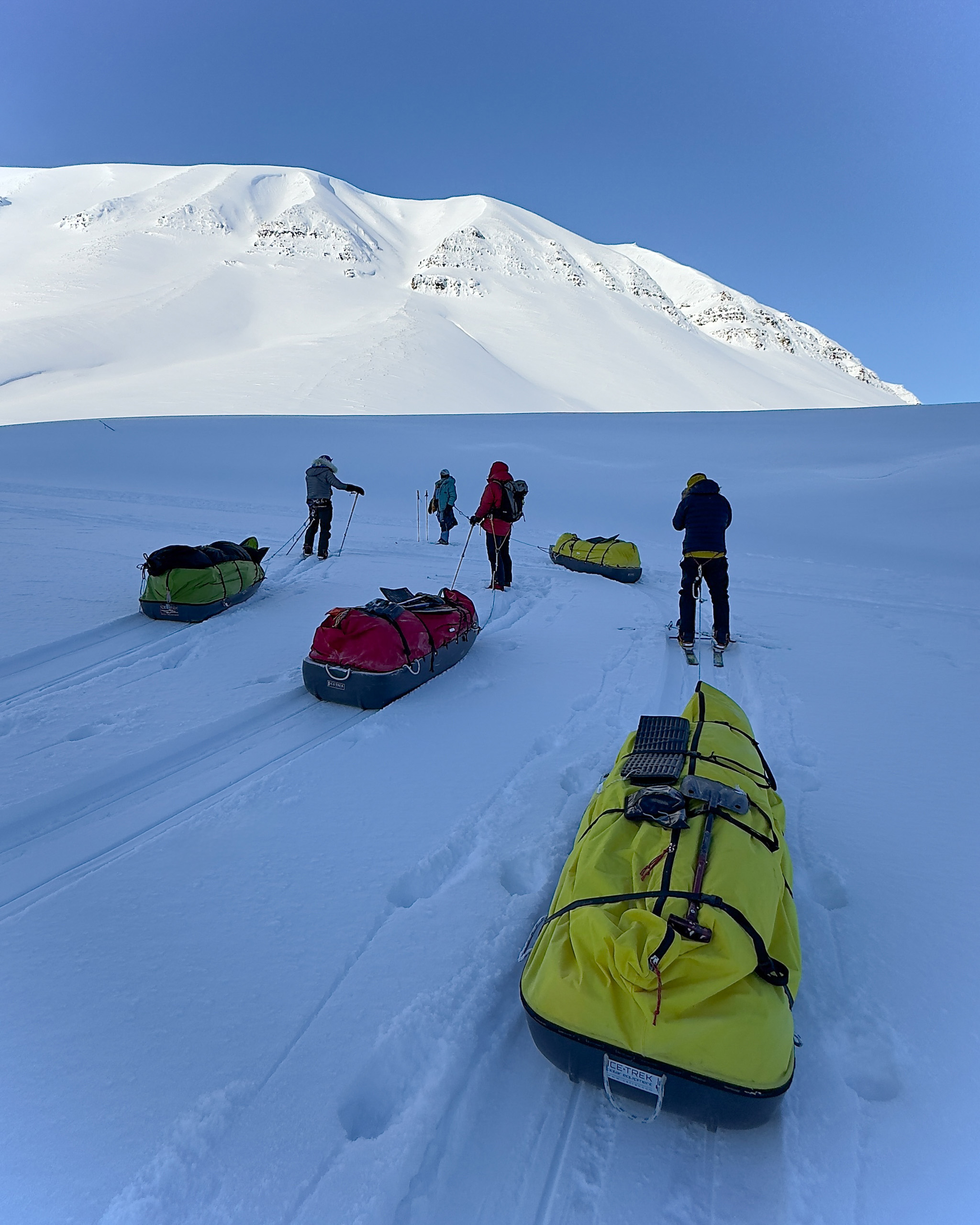
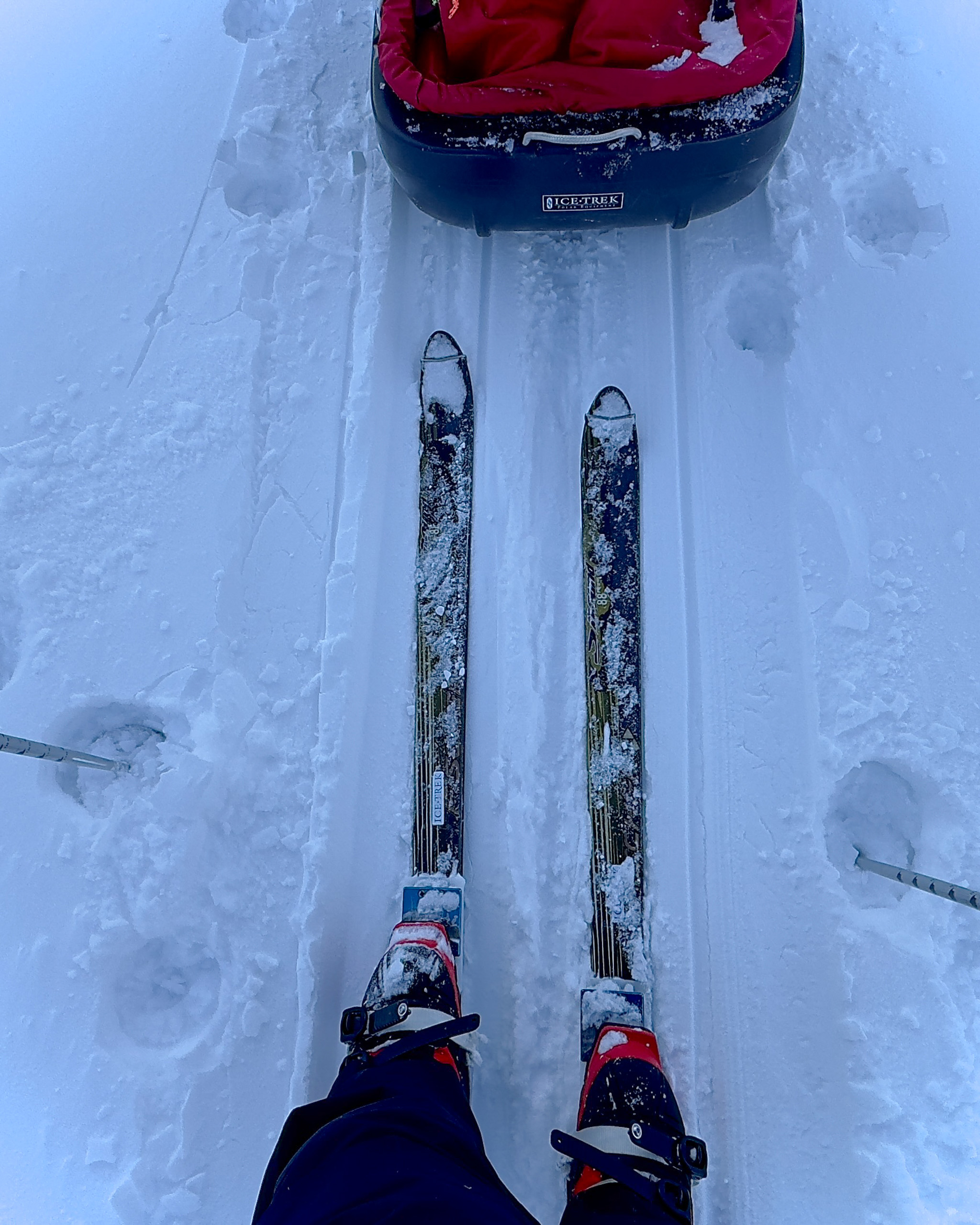
Six things you can check.
- A real expedition, not a tour. You haul your own sled, pitch your own tent and melt your own water.
- No experience needed, by design. The pace and the programme are built for someone standing on skis for the first time.
- Maximum eight people. Small enough that the guides know where everyone is at, all the time.
- The coaching is woven through the week, briefings before the ice and a debrief after it, not bolted on as a talk.
- Run on Icetrek's on-ice programme, the polar expedition company of veteran guide Eric Philips.
- Led by two people who have both crossed Greenland, one of them on the road to the South Pole.
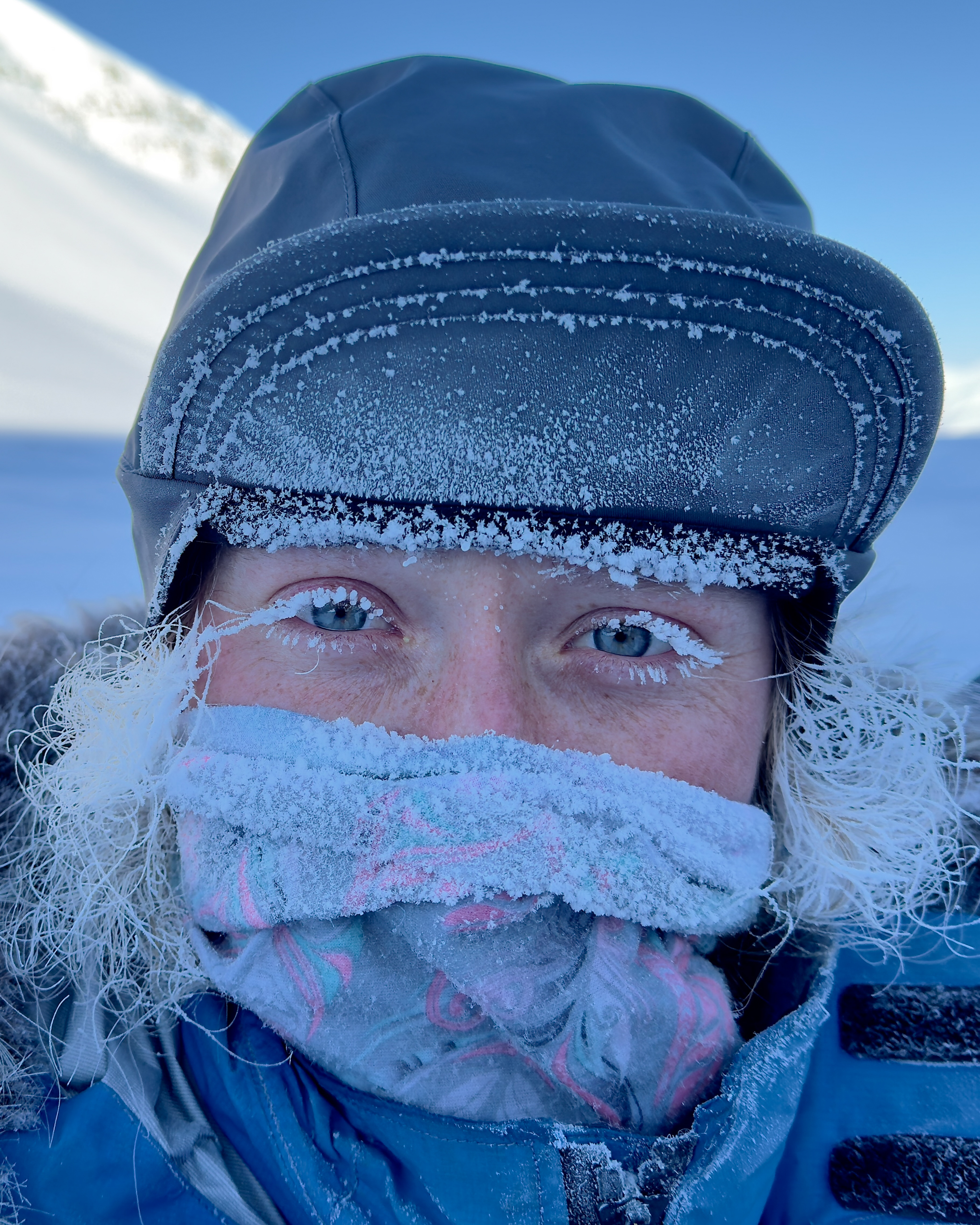
Mardi Philips. IPGA polar expedition guide.
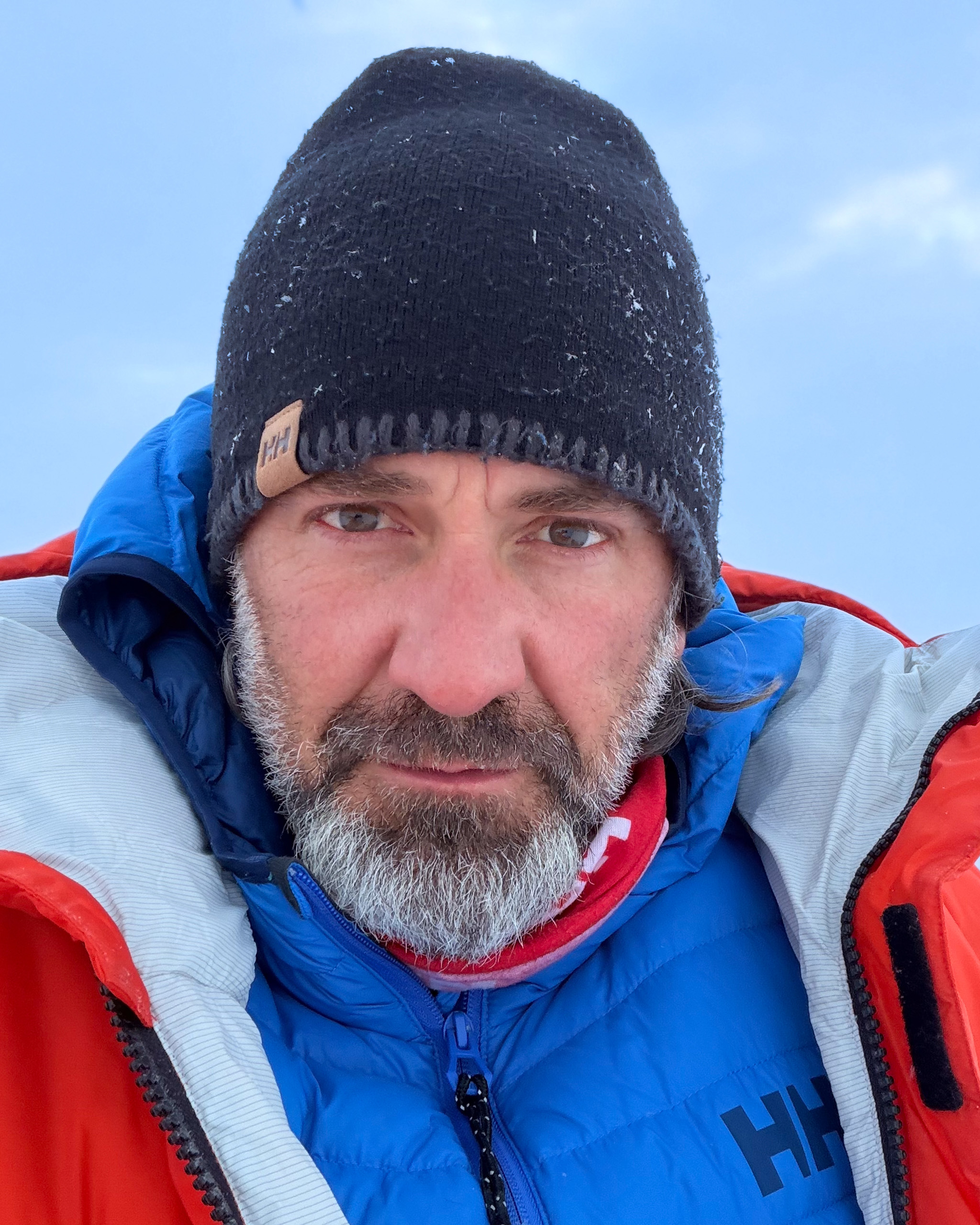
Gerry van der Walt. Co-host and mental fitness coach.
The on-ice programme runs with Icetrek, the polar expedition company of veteran polar guide Eric Philips.
More about your leaders
Mardi has been heading into wild places since her first trip to Antarctica at the age of ten. A skier, climber and white water kayaker with a degree in Outdoor Education and a Master of Applied Learning and Teaching, she has guided polar expeditions in Svalbard, across Greenland and all the way to the South Pole. I have shared the ice with her, and she does not just guide the experience. She is part of what makes it.
I have spent 25 years leading people into wild places and have been going to Svalbard since 2013. In May 2026 I crossed the Greenland ice cap, 553 kilometres, unsupported, as part of a team, and I am on a five year road to the South Pole, solo and unsupported, in 2030. This Immersion is a leg of that road. Mardi and I carry the week together, her ice craft and my coaching woven into one experience.
The record
€4,750 per person
25 March to 3 April 2027Maximum eight, runs from sixEnquiries open
All-in on the ground, billed in euros. Five hotel nights, the on-ice programme, the guiding, the coaching, the group gear and the food on the ice, from the night you arrive to the morning you fly home.
50% deposit on confirmation, the balance due 31 December 2026.
This is not a casual interest list. When you send the enquiry, you are telling me you are in. No invoice is raised and no money moves until the sixth booking confirms the minimum.
If we are not at six by 1 December 2026, you choose: a full refund of anything you have paid, a recalculated price for the smaller group, or your place rolled to the 2028 departure.
Fitness: reasonably fit, not superhuman. If you can commit to a few months of consistent training and handle long days on your feet, you are in range.
Insurance: travel insurance with evacuation cover is mandatory. Details come with your booking pack.
Not included: flights to and from Longyearbyen, travel and evacuation insurance (required), personal clothing and boots (the full kit list comes with your booking), and meals in town.
How Booking Works
Send the form. I reply within 48 hours.
A short call to confirm the details and make sure this is right for you.
I send your booking link and you confirm your place. Invoices and payment only happen once the minimum is reached.
Once the group is set we prep together: group calls, training guidance and kit support in the months before we fly.
I have never skied. Is that a problem?
No. When I did my first polar primer three years ago, I had never been on skis in my life. Many people on this programme are the same. We train you on the ice at a manageable pace. If you can walk, you can learn this.
How cold will it be?
Anywhere from minus 5 to minus 35. The extremes do not happen often, but they are possible at that time of year, and cold management is one of the core skills you come to learn.
How heavy is the sled?
35 to 40 kilograms. It sounds like a lot. On skis, on snow, with the right harness and rhythm, it moves. Getting comfortable in the harness is exactly what this trip is for.
How far do we ski each day?
Distance is not the goal. We start at around four hours a day, skiing for about an hour and resting for ten, with half an hour for lunch. As the group finds its legs we build toward seven or eight hours.
How fit do I need to be?
Reasonably fit, not superhuman. If you can commit to a few months of consistent training and handle long days on your feet, you are in range. Training guidance is part of the prep programme.
What about polar bears?
We take this very seriously and follow every regulation. Camps are protected by a perimeter alarm system, the guides carry flare guns and firearms as required by law in Svalbard, and we run a polar bear watch rotation at night, which turns out to be one of the more unique experiences of the trip. Sightings on foot at this time of year are rare. Preparation is not optional.
Where do we sleep?
Hilleberg expedition tents, two people per tent, with sleeping systems rated to minus 40. We rotate tent partners through the week to keep it interesting. You get a minimum of eight hours of sleep every night. Recovery is part of the programme, not a luxury.
Who does the cooking?
You do. Melting snow and running the stove is expedition life, and we train you on it before you need it.
How do you go to the toilet out there?
Outside, quickly, with a system you learn on day one. Everyone wants to ask this and nobody does. The honest answer is that it becomes normal faster than you think.
Can I come alone?
Most people do. You arrive solo and leave with a handful of people who watched you do something hard while sharing an experience none of you will forget.
Do I need my own gear?
All technical equipment is provided. You bring personal clothing and footwear, and the full kit list comes with your booking. I will help you get it right without overspending.
Is insurance required?
Yes. Travel insurance with evacuation cover is mandatory, and details come with your booking pack.
When do I need to arrive and when can I fly home?
Arrive in Longyearbyen by the afternoon of 25 March 2027. We start that evening. Book your flight home for 3 April.
What happens if the trip does not fill?
The expedition runs from six guests. If we are not there by 1 December 2026, you choose: a full refund of everything you have paid, a recalculated price for the smaller group with the small difference added to your payment, or your place rolled to the 2028 departure. No fine print.
What happens after I send the enquiry?
I reply within 48 hours and we have a short call to make sure this is right for you. After that I send your booking link and you confirm your place. No invoice is raised and no money moves until the sixth booking confirms the minimum. If we are not at six by 1 December 2026, you choose a full refund of anything paid, a recalculated price for the smaller group, or rolling your place to the 2028 departure.
What currency do I pay in?
Everything is costed and charged in euros.
Come to test yourself, or come to find your edges again.
The ice works on both.
Enquire About Your Place.
An enquiry starts the booking conversation. No money moves until six people have confirmed.